Ash trees are common in Front Range landscapes, and owners are paying closer attention as emerald ash borer concerns expand. Several different stresses can thin an ash canopy, so one symptom does not prove a specific pest. The practical response is to identify the tree, document changes, and arrange a qualified assessment before decline becomes severe or dead branches create a hazard.
Confirm that the tree is an ash
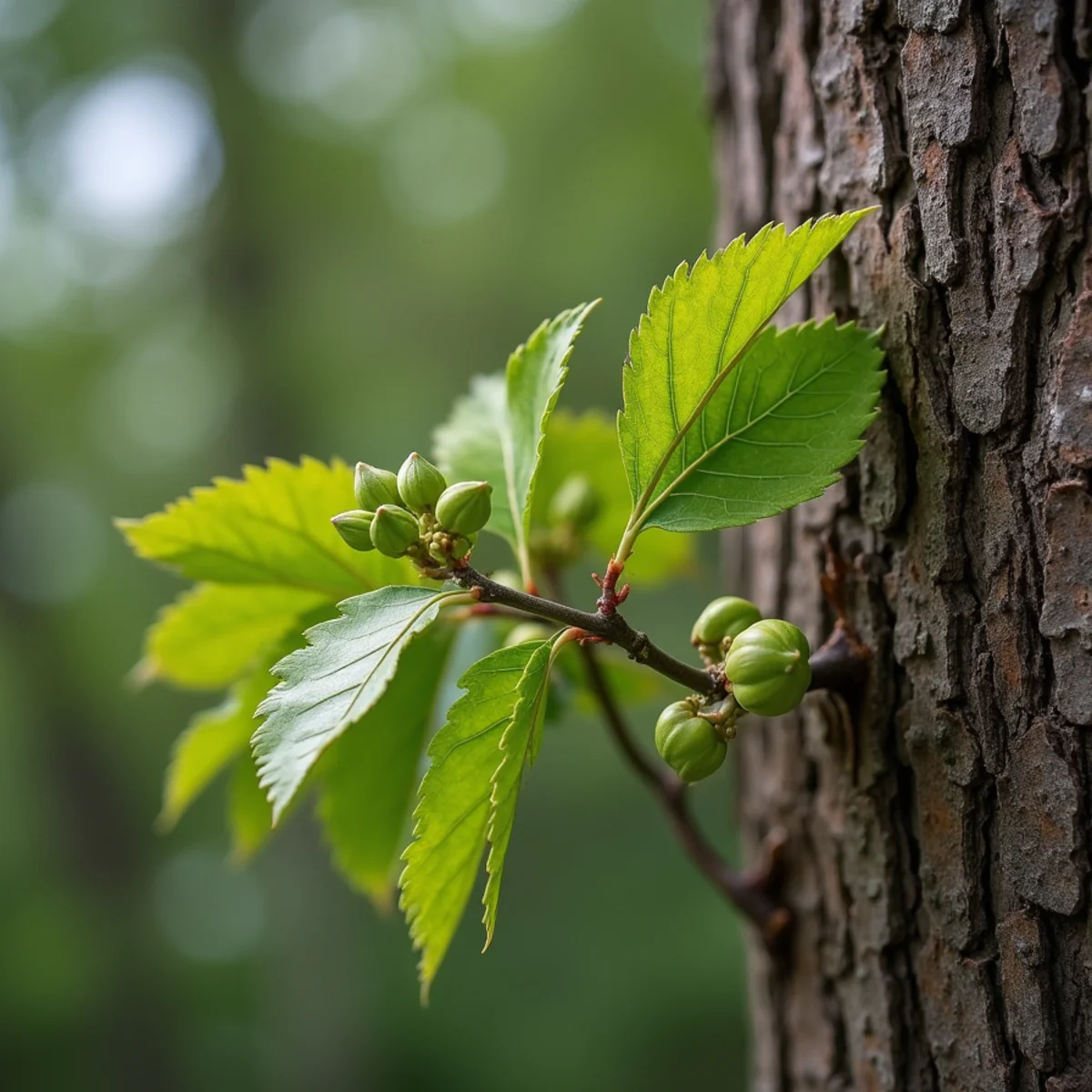
Ash trees usually have opposite branching: twigs and buds occur in pairs across the stem. The compound leaves contain multiple leaflets on one stalk. Mature bark often develops a diamond-like pattern, although young bark can look smoother.
Do not rely on a phone app alone. Misidentifying walnut, boxelder, or other compound-leaved trees can send the entire diagnosis in the wrong direction. Photograph leaves, twigs, bark, and the full crown.
Watch the canopy over time
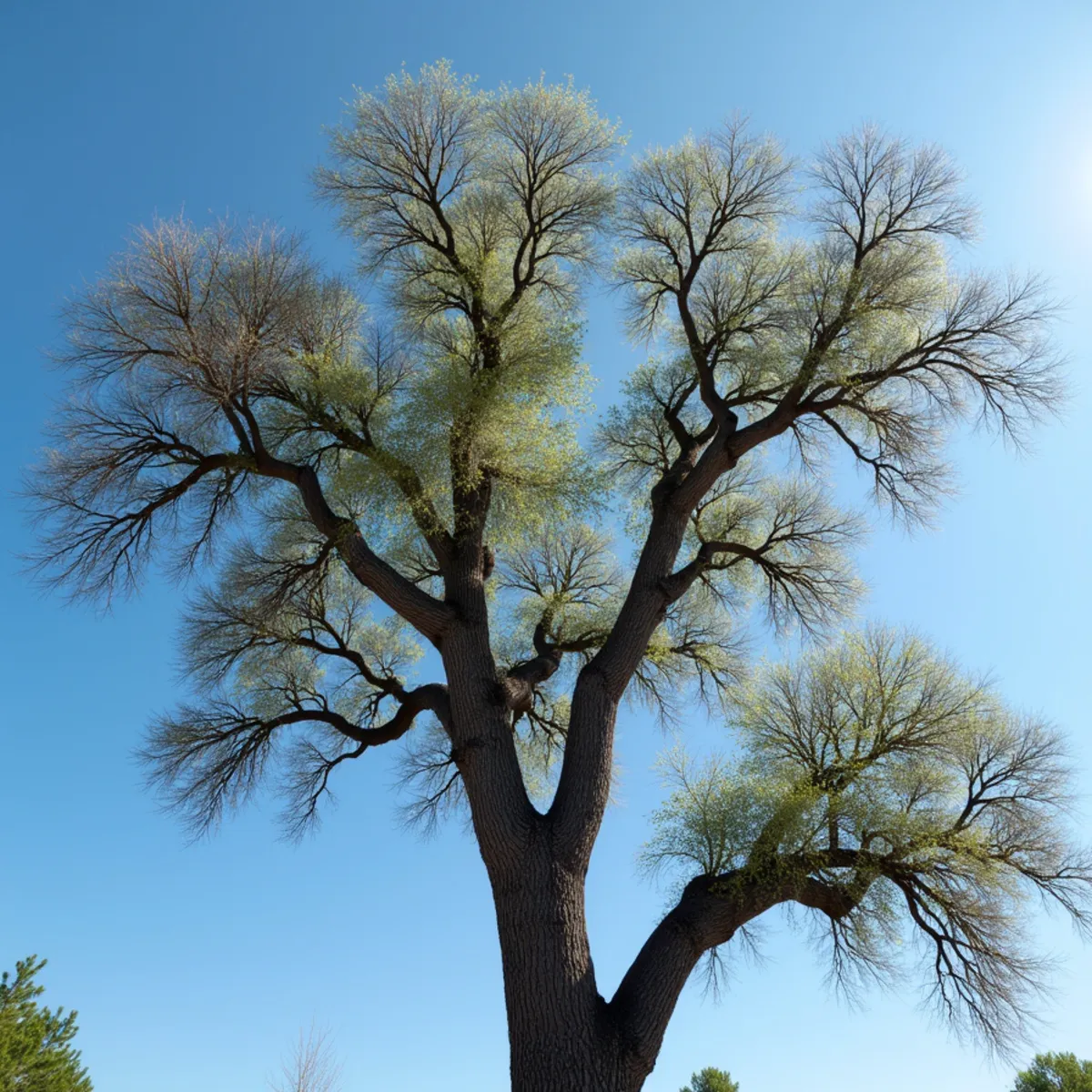
Thinning that begins near the top, dead branches, smaller leaves, and uneven leaf-out deserve attention. Drought, root damage, compacted soil, irrigation changes, disease, and insects can all contribute.
Compare the same season year to year. A single dry week or late spring can affect appearance. A progressive loss of upper crown over multiple seasons is more informative than one snapshot.
Inspect bark from the ground
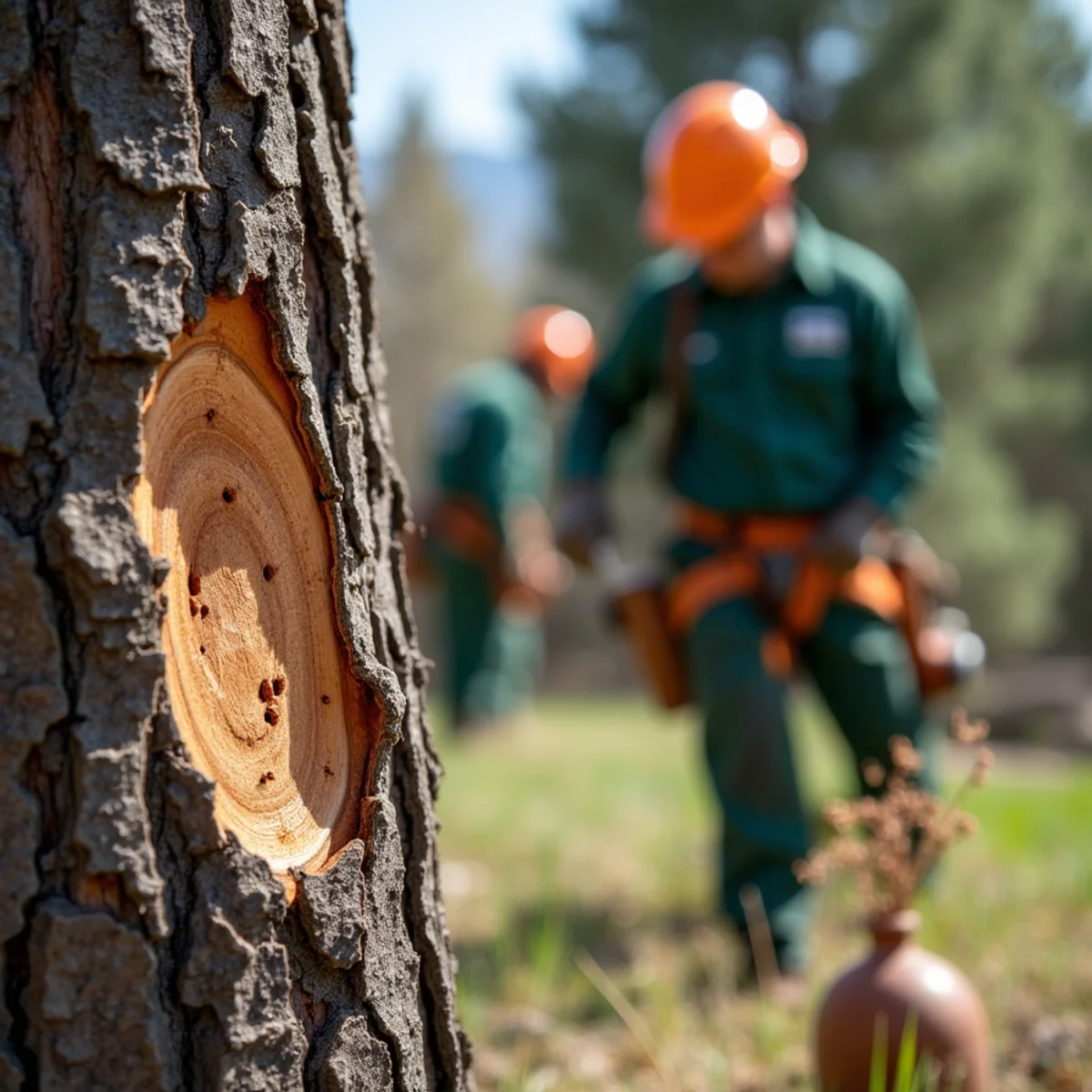
Small D-shaped exit holes are associated with adult emerald ash borer emergence. Splits in bark may reveal winding larval galleries beneath. Increased woodpecker activity can expose pale patches where birds remove outer bark.
These signs can be small and difficult to confirm. Do not cut bark away or climb. Clear photos with a scale and the location on the trunk help a professional evaluate the observation.
Notice sprouts and lower-trunk changes
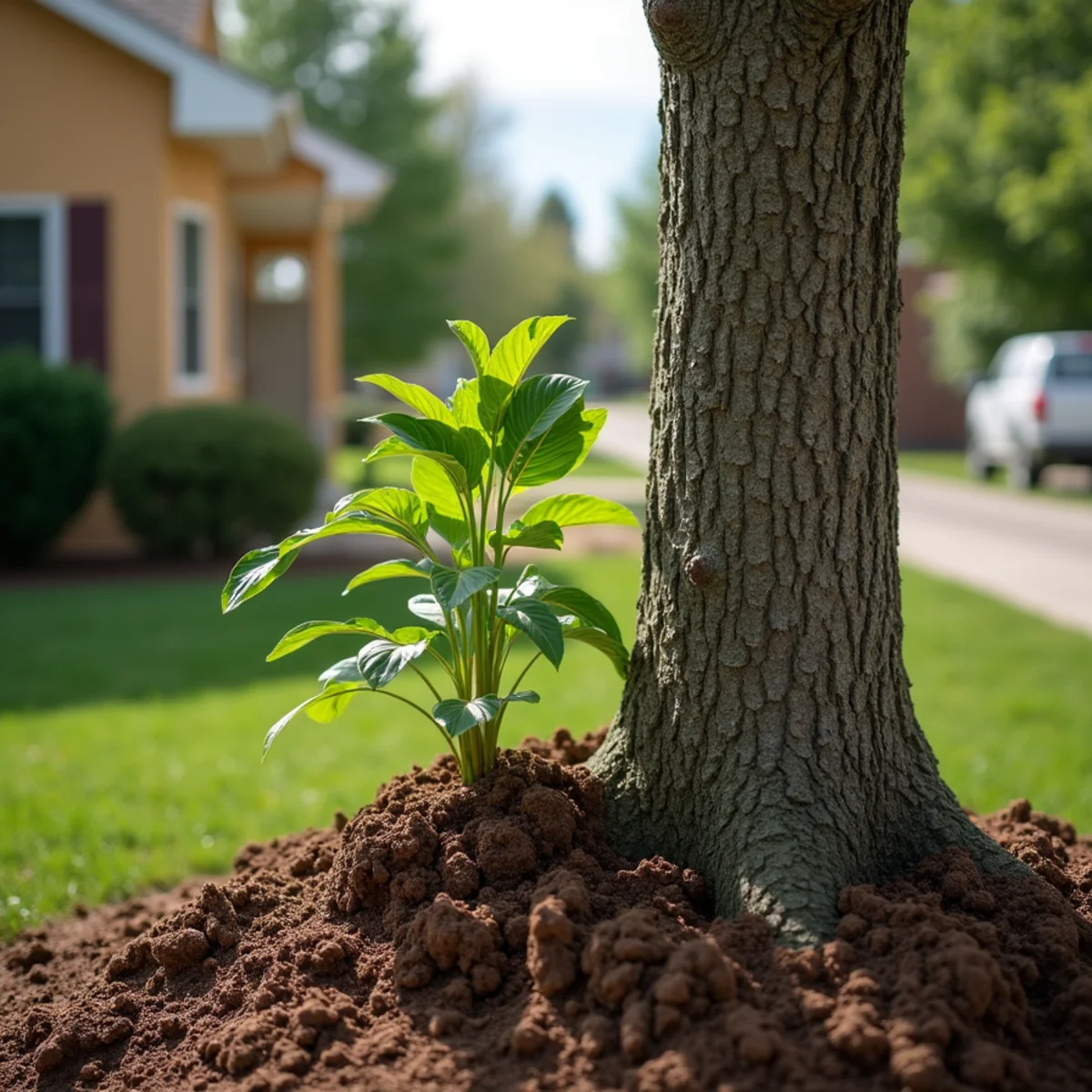
Stressed ash trees may produce vigorous shoots from the trunk or base while the upper canopy declines. This is a response to stress, not proof that the tree is recovering.
Look at the root flare and soil too. Grade changes, saturated soil, trenching, and construction can cause decline that resembles other problems. The site story remains part of the diagnosis.
Plan early, before the tree becomes brittle
Treatment decisions depend on confirmed pest risk, tree health, value, and current professional guidance. Severely declining ash may not be a good candidate for preservation. Waiting until the tree is entirely dead can make removal more complex as wood deteriorates.
Ask for clear options: what evidence supports the assessment, what can be monitored, what treatment would require, and what removal and stump work would include. Avoid claims that guarantee a tree’s future.
Separate pest concern from immediate branch risk
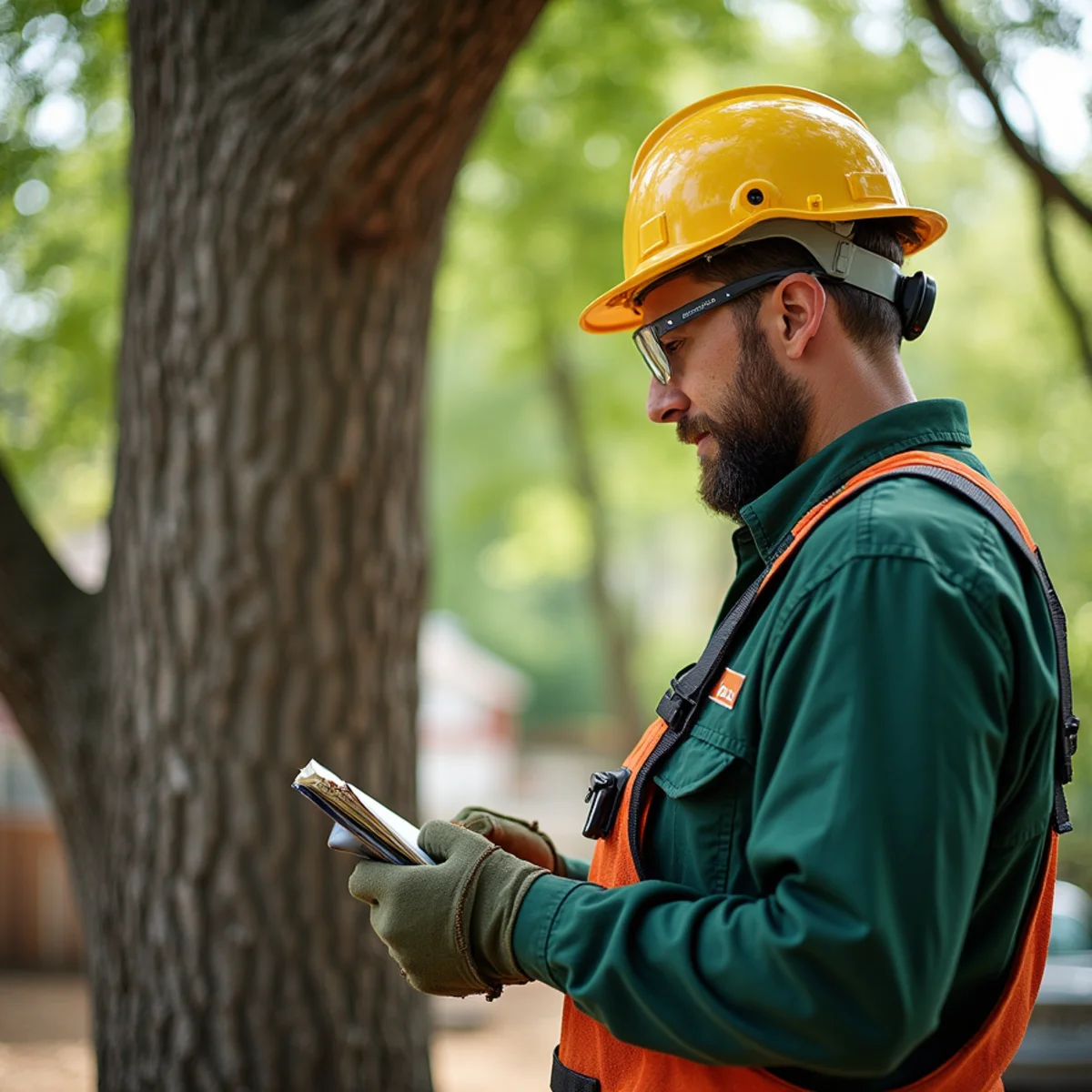
An ash can require two related decisions. The first is biological: what is causing decline and whether preservation is realistic. The second is structural: whether dead branches, cracks, or root changes create a current consequence. Treatment discussion should not postpone removal of a large dead limb over an occupied area.
Likewise, one small exit hole should not trigger an unplanned removal without confirming the species and broader condition. Organizing the assessment into health and structure keeps the response proportional. It also gives owners a clearer timeline for monitoring, pruning, treatment consultation, or removal.
Use Aurora's confirmed EAB status to make a tree-specific plan
Emerald ash borer was confirmed in Aurora in 2025, so local ash owners should move from general awareness to a documented plan. Start by confirming that the tree is a true ash, then record the upper crown, opposite buds and branches, compound leaves, bark, lower sprouts, woodpecker flecking, exit-hole shape, and any bark splits or galleries. Use photographs and dates rather than removing bark or climbing for a closer look.
Do not diagnose EAB from canopy thinning or one hole alone. CSU documents several wood-boring insects of Colorado ash, and drought, root disturbance, irrigation changes, compaction, and other disorders can produce overlapping decline. Confirmation matters because pest management, ordinary stress correction, pruning, and removal solve different problems. MQ's role on this page remains limited to tree-work planning where pruning or removal is appropriate—not pesticide diagnosis or application.
Make two decisions, not one. The management decision considers confirmed pest evidence, overall health, shade or landscape value, ownership, treatment feasibility, recurring commitment, removal timing, and replacement. The structural decision considers dead branches, brittle wood, cracks, targets, and how quickly access should be restricted or tree work scheduled. A tree considered for treatment can still need a branch-risk response, while a removal plan should define wood handling, stump scope, and the replacement sequence before decline makes the work more constrained.
Authoritative Aurora references
What to do next
The best time to evaluate an ash is before most of the crown is gone. Confirm the species, document canopy and bark changes, and consider roots and site history. MQ can help with pruning or removal scope when an Aurora ash has deadwood, structural damage, or severe decline.