Serving Aurora & Colorado communities since 2010
MQ Landscaping & Tree Services logo
Call for a Free Estimate — +1 (208) 635-2100
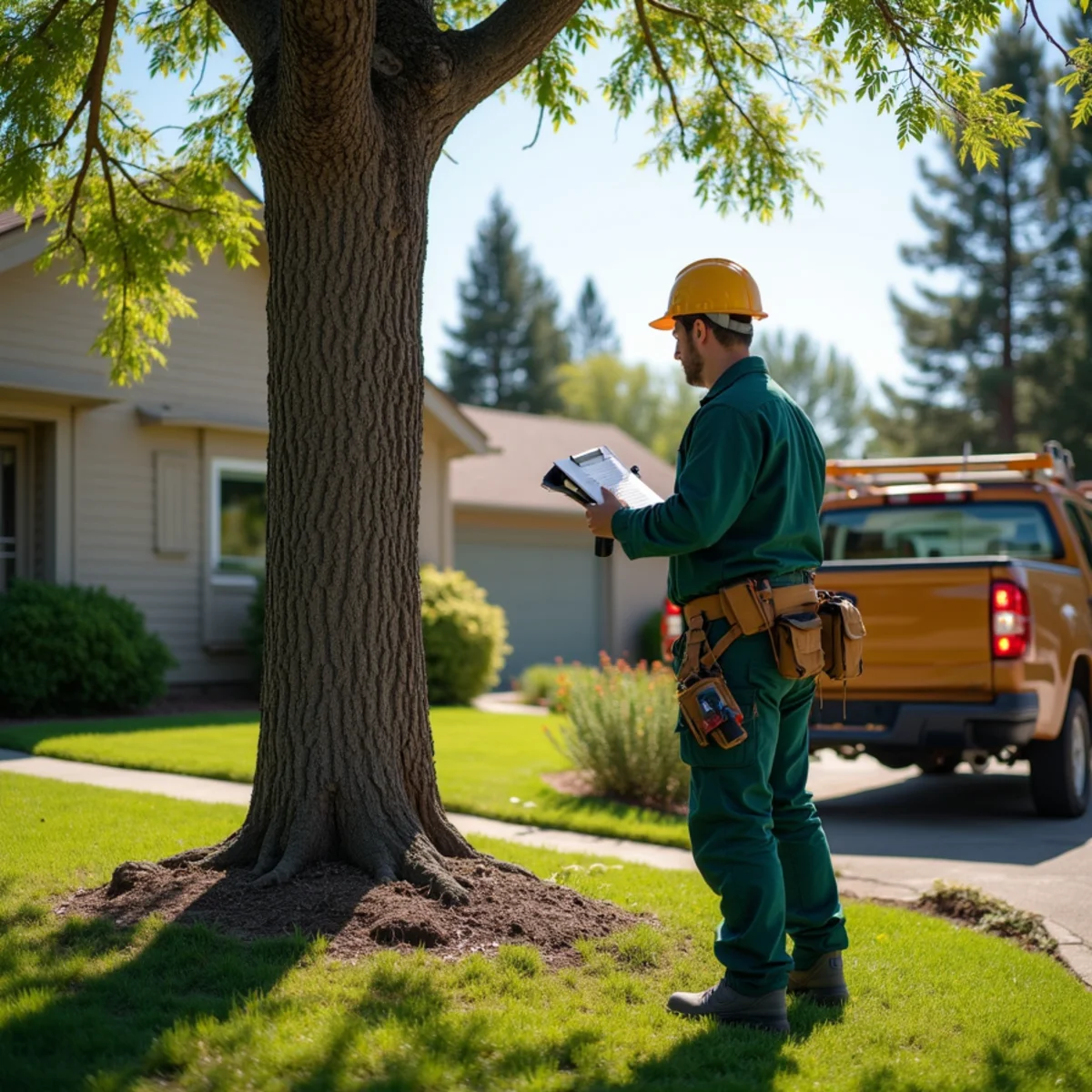
Dead branches and structural defects being assessed on an Aurora tree

A clear look at the risk—not a guess from the curb.

Hazardous & Dead Tree Service in Aurora, CO

A tree can look alive and still carry serious defects, while a sparse canopy does not automatically mean removal. We focus on the visible structure, the likely failure points, and what would be struck if a part of the tree moved.

Serving since 2010 121 reviews Careful cleanup

Hazardous & Dead Trees planned for the actual property

Hazard is a combination of condition and consequence. A dead limb over an unused corner of a large lot presents a different problem than the same limb over a bedroom, driveway, playground, or sidewalk. The assessment starts with targets, then works back to the tree. We look at deadwood size, cracks, cavities, weak unions, decay, root-zone changes, previous failures, canopy imbalance, and whether the tree’s lean appears stable or recent.

Dead trees become harder to work as wood and attachments deteriorate. Waiting does not always make removal immediately necessary, but it can narrow the safe options and increase complexity. Similarly, a tree that has lost large limbs in repeated storms may need more than another round of small cuts. We help separate issues that can be corrected through pruning from structural decline that makes removal the more responsible choice.

Aurora properties often contain mature cottonwoods, elms, ash, spruce, pine, maples, and volunteer trees growing in crowded places. Each species carries different patterns of decay and breakage, but site history matters too. Construction, grade changes, irrigation leaks, trenching, and soil compaction can affect roots long before canopy symptoms become dramatic. That is why a useful conversation includes what changed around the tree, not only what the leaves look like today.

The supplied reviews show MQ identifying dangerous dead cottonwood limbs during a visit for another tree and completing technical work near homes, fences, sheds, and electrical boxes without damage. That attention to the whole property is important. The final scope should prioritize the highest-consequence defects, explain what can be retained, and make cleanup expectations clear so the owner understands both the immediate work and what to watch over time.
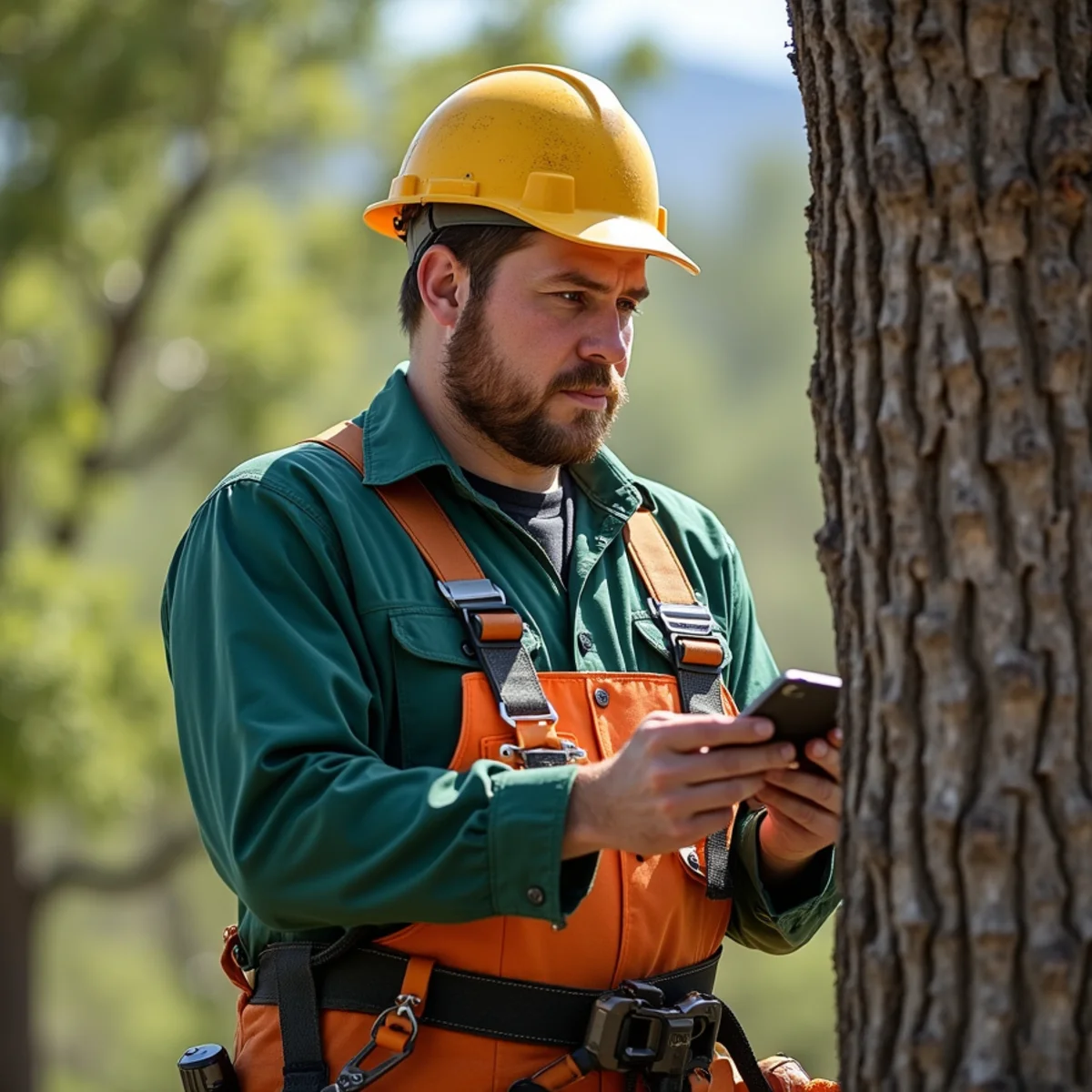
Hazardous & Dead Trees crew working at an Aurora, Colorado property

Free estimate

Tell us about your project

Share the basics and we’ll follow up about the next step.

Your information is used only to respond to your request.

What to watch

Warning signs worth checking promptly

Large dead branches

Dead limbs over occupied or valuable areas can fail in calm weather as well as during storms.

Fresh cracks or separations

Open splits at unions or through the trunk may indicate active movement under load.

Sudden or increasing lean

A recent lean accompanied by lifted soil or root-zone cracking can signal lost support.

Fungal growth and cavities

Mushrooms, hollows, and decayed openings deserve context; location and extent matter more than appearance alone.

Set the response by risk context

Use change, targets, and exposure to set the urgency

A defect matters most when a part could fail, reach something important, and do so while that target is present. Separate immediate access control from prompt review, planned maintenance, and documented monitoring.

Restrict access now

Keep people away from a fresh split, suspended large limb, suddenly leaning tree, moving root plate, or tree contacting utilities. Utility involvement must be resolved by the appropriate provider before ordinary tree work.

Request a prompt review

New cracks, recent soil heaving, rapid canopy decline, fresh fungal fruiting near the base, or a new failure over a frequently used area deserve timely site context even if nothing has fallen yet.

Plan corrective work

An isolated dead branch, low-consequence defect, or clearance issue may fit scheduled pruning when the rest of the tree remains serviceable and the area below can be managed until work occurs.

Monitor a retained tree

When retention is reasonable, record the condition, what would trigger reinspection, and when the next look should occur. Monitoring is an active plan, not a claim that the tree is permanently safe.

Our process

How hazardous & dead trees moves from concern to completion

  1. 1

    Identify targets

    We note what people use and what property could be affected by a failure.

  2. 2

    Inspect visible structure

    The assessment considers roots, trunk, unions, branches, canopy balance, and prior damage.

  3. 3

    Prioritize actions

    Immediate hazards are separated from routine maintenance and monitor-only concerns.

  4. 4

    Complete the agreed work

    Pruning, removal, and cleanup follow the documented scope for the specific tree.

Honest estimates

What affects the project scope

Defect location

A defect high in the crown or over a structure may require more access and control.

Wood integrity

Brittle, decayed, or hollow material can limit normal climbing and rigging options.

Targets and access

Homes, utilities, streets, fences, and tight yards add protection and handling requirements.

Prune versus remove

A focused hazard reduction has a different scope from dismantling the whole tree and grinding the stump.

We do not publish fake flat prices. Your estimate reflects the conditions, access, material handling, and finish described on site.

Choose a proportionate response

Reduce the risk without defaulting to one answer

Risk reduction can change the tree, the target, or how often the target is exposed. The practical choice depends on the defect, the value of retaining the tree, the consequences of failure, and the limits of the available work.

Manage the target

Move parking, seating, play equipment, or routine activities out of a potential strike area when feasible. Target management can reduce exposure while a permanent decision is scheduled.

Prune a defined defect

Remove priority deadwood, reduce an overextended limb, or create clearance when selective pruning can address the concern without excessive live-crown loss.

Remove when retention fails

Whole-tree removal becomes more practical when root, trunk, or main-structure condition cannot be mitigated to a tolerable level or the target cannot reasonably be managed.

Document and recheck

Retained defects, nearby construction, irrigation changes, new cracks, storm loss, and canopy decline can change the picture. Record triggers and a reasonable reinspection point.

Compare the same tree, target, defect, and outcome

A removal quote, deadwood-pruning quote, and formal consulting assessment are different services. The written scope should state what was visibly reviewed, which work is proposed, what remains, and whether a separate credentialed report is required.

  • The exact tree, owner or responsible party, and areas or property that could be struck
  • Visible defects, recent changes, site history, and access limitations considered
  • Whether the visit supports a work estimate or a separate formal report is required
  • The proposed response—target management, pruning, removal, cleanup, or monitoring
  • Debris, wood, stump, surface protection, and final cleanup included in the work
  • Conditions that remain, reinspection triggers, exclusions, and owner responsibilities

Common questions

Hazardous & Dead Trees FAQs

These answers match the visible structured data on this page.

Does one dead branch mean the whole tree is dying?

No. A healthy tree can carry an isolated dead branch. The amount, location, cause, and condition of the rest of the tree determine the appropriate response.

Is a leaning tree always dangerous?

No. Some trees develop a stable lean over many years. A new or increasing lean, especially with root-zone movement, deserves prompt evaluation.

Can a hollow tree be saved?

Sometimes. Trees can remain standing with cavities, but the amount and location of sound wood, crown condition, and nearby targets must be considered.

How quickly should dead branches be removed?

Large deadwood over homes, drives, walkways, or gathering areas should be prioritized. Smaller low-consequence deadwood can often be scheduled with routine maintenance.

Is a tree-service estimate the same as a formal tree-risk report?

No. This page describes a visible on-site review used to scope pruning, removal, cleanup, or monitoring. If an HOA, insurer, municipality, court, transaction, or dispute requires a formal report, confirm the required assessor credential, assessment level, documentation, and independence before scheduling.

Who should inspect a possible City tree in Aurora?

Contact the City of Aurora Forestry Division before authorizing private work when a tree may be City-owned or in the public right-of-way. Aurora says its professional arborists inspect City street trees and can answer questions about private landscape trees.

Continue planning

Related services and practical reading

Tree service

Tree Removal

When a tree is dead, unstable, badly damaged, or simply in the wrong place, the removal plan matters as much as the final cut. We organize the work around access, nearby targets, debris handling, and the condition of the tree so the process stays deliberate from the first assessment through cleanup.

Explore tree removal

Tree service

Tree Trimming & Pruning

Good pruning solves a defined problem. It may remove dead wood, improve clearance, reduce weight on an overextended limb, or restore balance after years of uneven growth. We shape the scope around the tree’s structure and the way the property is used.

Explore tree trimming & pruning

Tree service

Storm-Damage Cleanup

Wind, wet snow, and sudden Front Range weather can turn a normal tree concern into a complicated cleanup. We assess what moved, what is still under tension, what may fall next, and which parts of the tree remain viable before work starts.

Explore storm-damage cleanup

Free estimate

Ready to plan your hazardous & dead trees project?

Tell us what you are seeing. We’ll review the scope, explain the next step, and prepare an estimate for the work your property actually needs.

Why property owners call MQ

  • Serving Colorado properties since 2010
  • 121 customer reviews
  • Careful work and detailed cleanup
  • Fair, scope-based estimates