
A tree changed suddenly
Fresh cracks, a new lean, moving soil, hanging branches, or storm damage call for a safety-first assessment before routine appearance work.
Complete outdoor property care
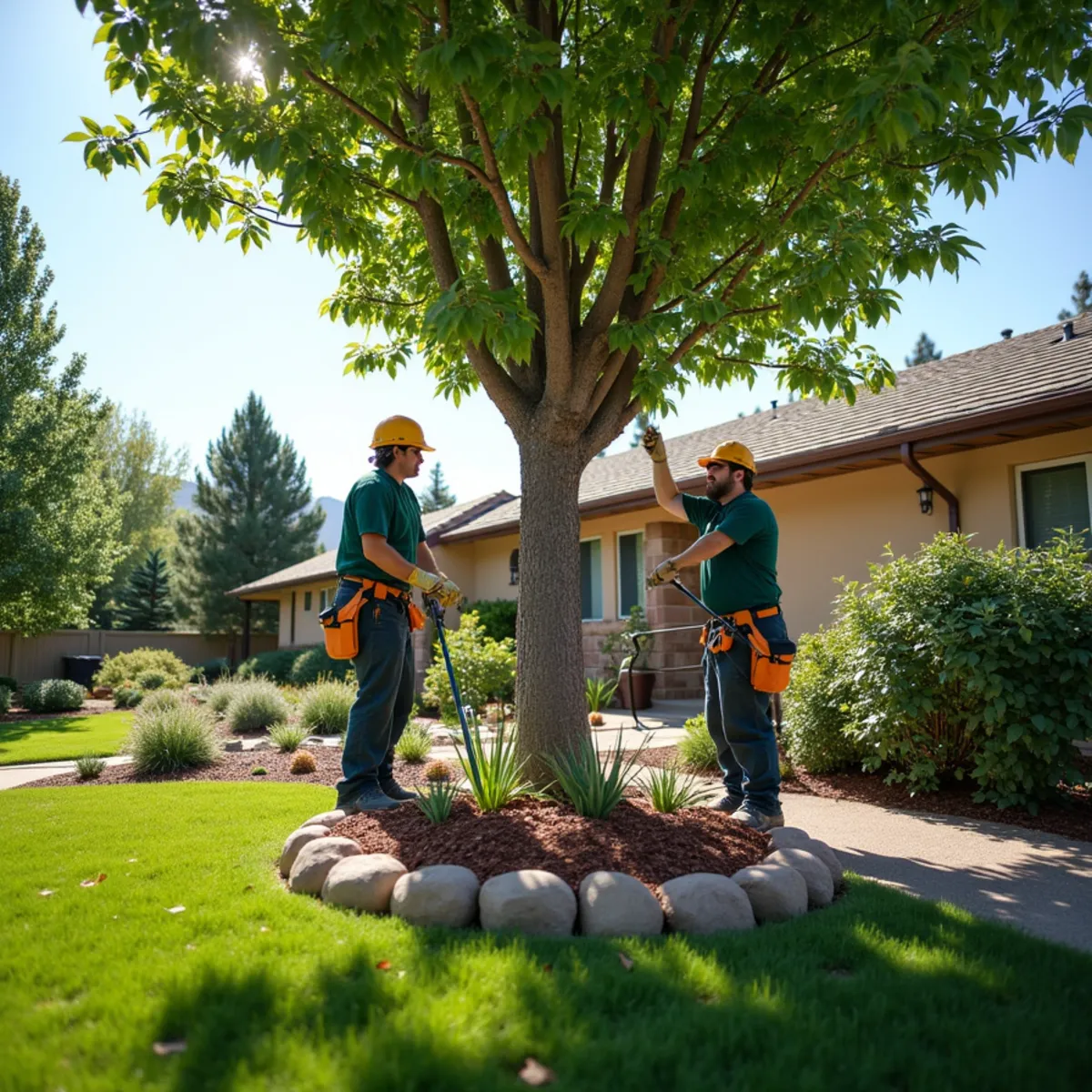
One experienced team for careful tree work, practical landscape improvements, and the cleanup that ties the property together.
Tree care
From one broken limb to a large technical removal, the work starts with an on-site scope and ends with a clearly defined finish.
Tree service
When a tree is dead, unstable, badly damaged, or simply in the wrong place, the removal plan matters as much as the final cut. We organize the work around access, nearby targets, debris handling, and the condition of the tree so the process stays deliberate from the first assessment through cleanup.
Explore tree removalTree service
Good pruning solves a defined problem. It may remove dead wood, improve clearance, reduce weight on an overextended limb, or restore balance after years of uneven growth. We shape the scope around the tree’s structure and the way the property is used.
Explore tree trimming & pruningTree service
A remaining stump can interrupt mowing, attract volunteer shoots, become a trip point, and block the next landscape plan. Grinding reduces the visible stump and major surface flare so the area can be cleaned up and reused according to your goals.
Explore stump grindingTree service
Wind, wet snow, and sudden Front Range weather can turn a normal tree concern into a complicated cleanup. We assess what moved, what is still under tension, what may fall next, and which parts of the tree remain viable before work starts.
Explore storm-damage cleanupTree service
A tree can look alive and still carry serious defects, while a sparse canopy does not automatically mean removal. We focus on the visible structure, the likely failure points, and what would be struck if a part of the tree moved.
Explore hazardous & dead treesOne property, connected work
A tree removal changes shade, access, root competition, and the amount of usable ground. Stump grinding changes the surface but does not excavate every root. New irrigation, grading, planting, or hardscape can then affect drainage and the remaining root zones. Treating those decisions as isolated jobs can create settling, damaged lines, poor plant placement, or materials that must be moved twice.
A coordinated scope identifies what must happen first, which plants or surfaces stay, how debris and chips are handled, and what condition the area needs for its next use. That does not mean every project needs every service. It means each phase should leave the property ready for the phase that follows.
Describe the complete projectDecide whether the stump stays, is ground, and how chips or settling affect the intended surface.
Pruning or removal changes sunlight, wind exposure, and irrigation demand for the plants below.
Paths, patios, edging, and grade changes need realistic clearance from important roots and trunks.
Clarify what is hauled, what remains, and whether the finish is rough clearing or installation-ready preparation.
Landscaping
Clear overgrowth, improve irrigation, install practical surfaces, and coordinate maintenance without losing sight of your existing trees.
Landscaping
Overgrown shrubs and volunteer trees can swallow walkways, hide fences, block windows, and make a yard feel smaller than it is. We define what stays, what goes, and how the cleared area should be left for its next use.
Explore brush & shrub removalLandscaping
A major cleanup is different from weekly yard care. We organize tall growth, fallen branches, old shrubs, leaves, and outdoor debris into a practical sequence so the property becomes safe, visible, and ready to maintain again.
Explore yard & lot cleanupLandscaping
Healthy-looking landscapes are the result of many small tasks done at the right time. We coordinate pruning, bed care, cleanup, and seasonal priorities so the property stays manageable instead of cycling between neglect and major rescue work.
Explore landscape maintenanceLandscaping
A successful landscape is not only attractive in the first photo. It fits the site, drains sensibly, can be watered, and leaves room for trees and plants to mature. We connect cleanup, layout, materials, and ongoing care into one practical plan.
Explore landscape installationLandscaping
Paths, patios, borders, and retaining features organize how an outdoor space is used. Good hardscape work begins below the finished surface, with careful layout, base preparation, drainage awareness, and respect for existing trees and utilities.
Explore hardscapingLandscaping
Irrigation performance changes as plants grow, heads settle, beds are redesigned, and exposure shifts. We look at coverage, zone purpose, visible leaks, and the needs of the current landscape instead of assuming the original setup still fits.
Explore irrigation servicesLandscaping
Commercial properties need safe access, consistent presentation, and service that respects tenants, customers, vehicles, and operating schedules. We coordinate tree, landscape, and cleanup priorities into a defined property-care scope.
Explore commercial property careA clear sequence
We start with what changed, what sits below or beside the work, how the space is used, and what finished condition you expect.
A hanging limb or unstable tree takes priority. Cosmetic shaping, bed changes, hardscape, and planting can be sequenced after the immediate concern is controlled.
The estimate should identify access, protection, removal or installation tasks, debris handling, stump or surface finish, and any owner decisions that affect the result.
Work moves through the agreed sequence, then the immediate area is cleaned and reviewed against the scope before the next phase begins.
Honest estimates
Gate width, slopes, alleys, parking, fences, neighboring property, and the route for brush, wood, soil, or hardscape materials all affect labor and equipment choices.
Dead wood, splits, root movement, decay, dense overgrowth, and plants worth preserving change the safest sequence and the amount of selective work required.
Roofs, sheds, vehicles, play areas, overhead conductors, private irrigation, lighting, and buried landscape features require added planning and protection.
Canopy size, trunk diameter, stump flare, brush density, soil movement, and imported materials affect processing, loading, hauling, and disposal decisions.
Rough clearing, hauled debris, chip handling, grading, lawn preparation, planting-bed finish, and hardscape readiness are different outcomes and should be named in the estimate.
Removing a tree before irrigation, hardscape, or planting can prevent rework. The intended use helps determine stump depth, drainage, root-zone protection, and surface preparation.
Service planning questions
These answers clarify how to choose a starting point, compare scope, and coordinate work without inventing a one-size-fits-all solution.
MQ provides tree removal, trimming and pruning, stump grinding, storm-damage cleanup, hazardous and dead tree service, brush and shrub removal, yard cleanup, landscape maintenance and installation, hardscaping, irrigation work, and commercial property care. Each service page explains the problems, process, and estimate factors for that scope.
Start with the condition and the result you need. A fresh crack, new lean, or hanging branch belongs in a hazard or storm conversation. Clearance and branch structure point toward pruning. A dead or unsustainable tree may require removal. Stumps, overgrowth, irrigation, hardscape, or a full yard change each have a separate scope so the estimate can be specific.
Yes. Coordinating the sequence can prevent rework. Tree removal affects shade, roots, stumps, access, and the space available for planting or hardscape. Stump grinding can affect grade and settling. Irrigation and drainage should be considered before new surface materials or plants are installed.
A useful estimate should identify the work objective, access, nearby structures or utilities, protection needs, material handling, debris or chip decisions, stump or surface finish, and any exclusions. Price is easier to compare when each contractor is quoting the same finished result.
Yes. The supplied business description covers homeowners and businesses. Residential work may focus on safety, access, yard use, and future improvements, while commercial scopes may also require staging, tenant or customer access, appearance standards, and approval points.
Strong sun, dry air, wind, hail, heavy wet snow, clay-heavy or compacted soil, and uneven irrigation can affect tree condition and landscape performance. Those factors help set priorities, but they do not replace an on-site look at the actual tree, roots, drainage, access, and surrounding property.
Cleanup expectations should be written into the scope. Depending on the project, that may include processing and hauling branches, wood, brush, soil, or removed materials; handling stump chips; raking the immediate work zone; or preparing a surface for the next landscape phase.
Free estimate
Describe what you are seeing and where it is located. For tree concerns, call +1 (208) 635-2100. For landscaping projects, call +1 (208) 635-2100.
Why property owners call MQ