
Serving Aurora & Colorado communities since 2010
MQ Landscaping & Tree Services logo
Call for a Free Estimate — +1 (208) 635-2100
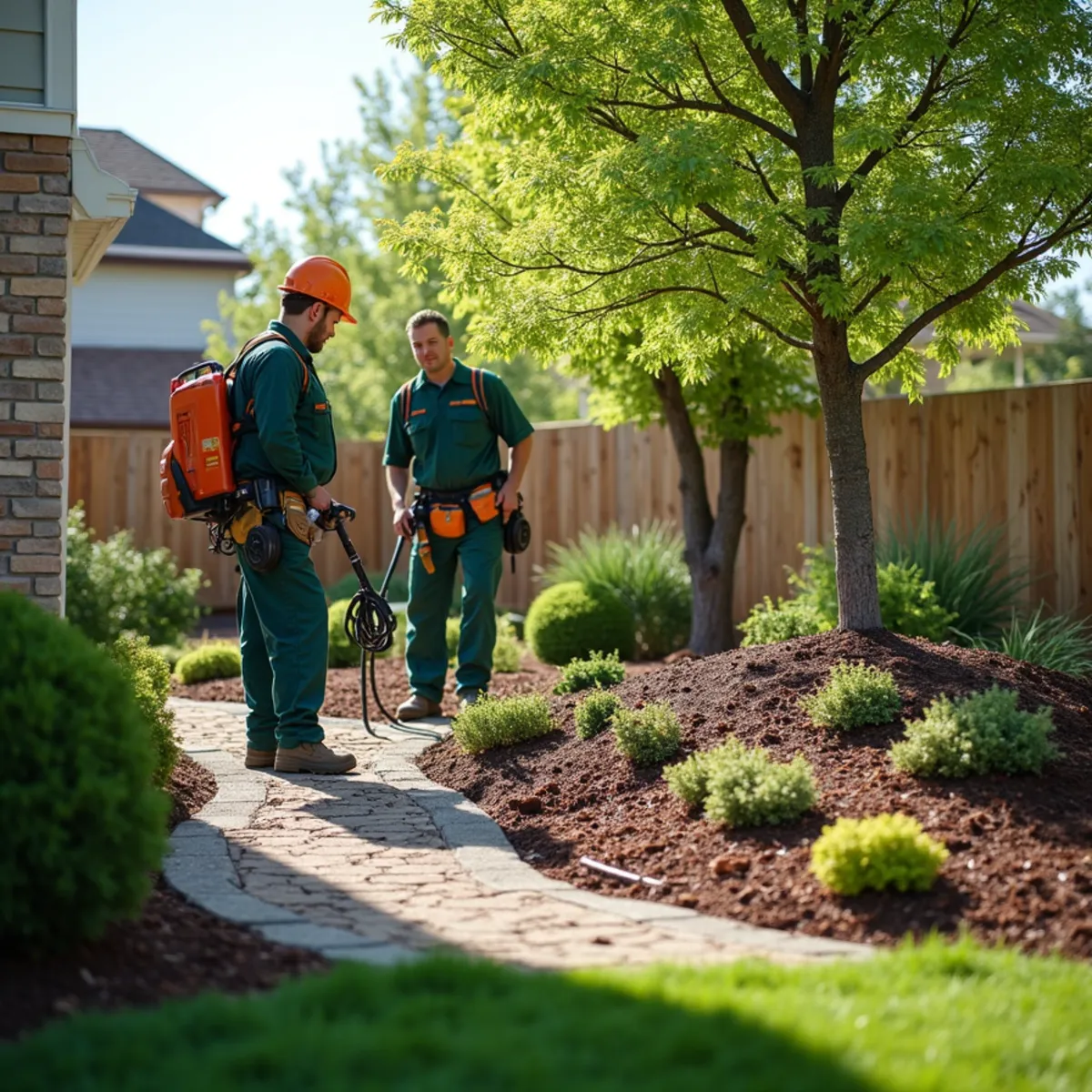
New rock, mulch, and planting beds being installed at an Aurora home

A landscape plan that works after installation day.

Landscape Installation in Aurora, CO

A successful landscape is not only attractive in the first photo. It fits the site, drains sensibly, can be watered, and leaves room for trees and plants to mature. We connect cleanup, layout, materials, and ongoing care into one practical plan.

Serving since 2010 121 reviews Careful cleanup

Landscape Installation planned for the actual property

Every installation starts with constraints. Sun exposure, existing trees, slope, drainage, soil, utilities, access, and irrigation shape what belongs in the space. So does the way a household or business uses the property. A front entry needs a different balance of visibility and detail than a dog run, rental yard, commercial border, or quiet backyard seating area. We clarify those uses before choosing materials or moving soil.

Preparation carries much of the quality. Old shrubs, volunteer growth, failing fabric, buried edging, roots, and compacted soil can undermine a new surface if they are simply covered. The scope may include clearing, grading adjustments, bed definition, rock or mulch placement, and coordination with irrigation. Each layer should support the finish rather than hide unresolved problems beneath it.

Plant selection in Aurora should account for strong sun, dry air, winter exposure, mature size, and water compatibility. Crowding small nursery plants for an instant full look can create pruning and irrigation conflicts later. We favor spacing that respects growth and makes maintenance possible. Around existing trees, soil and material depths should avoid burying trunk flare or creating a mulch mound against bark.

The best installation proposal is easy to understand. It identifies areas, materials, approximate quantities, preparation, disposal, and what is excluded. If the project is large, phasing can protect the budget: address drainage and access first, install major surfaces next, then add planting and detail. That sequence creates progress without forcing every decision at once.
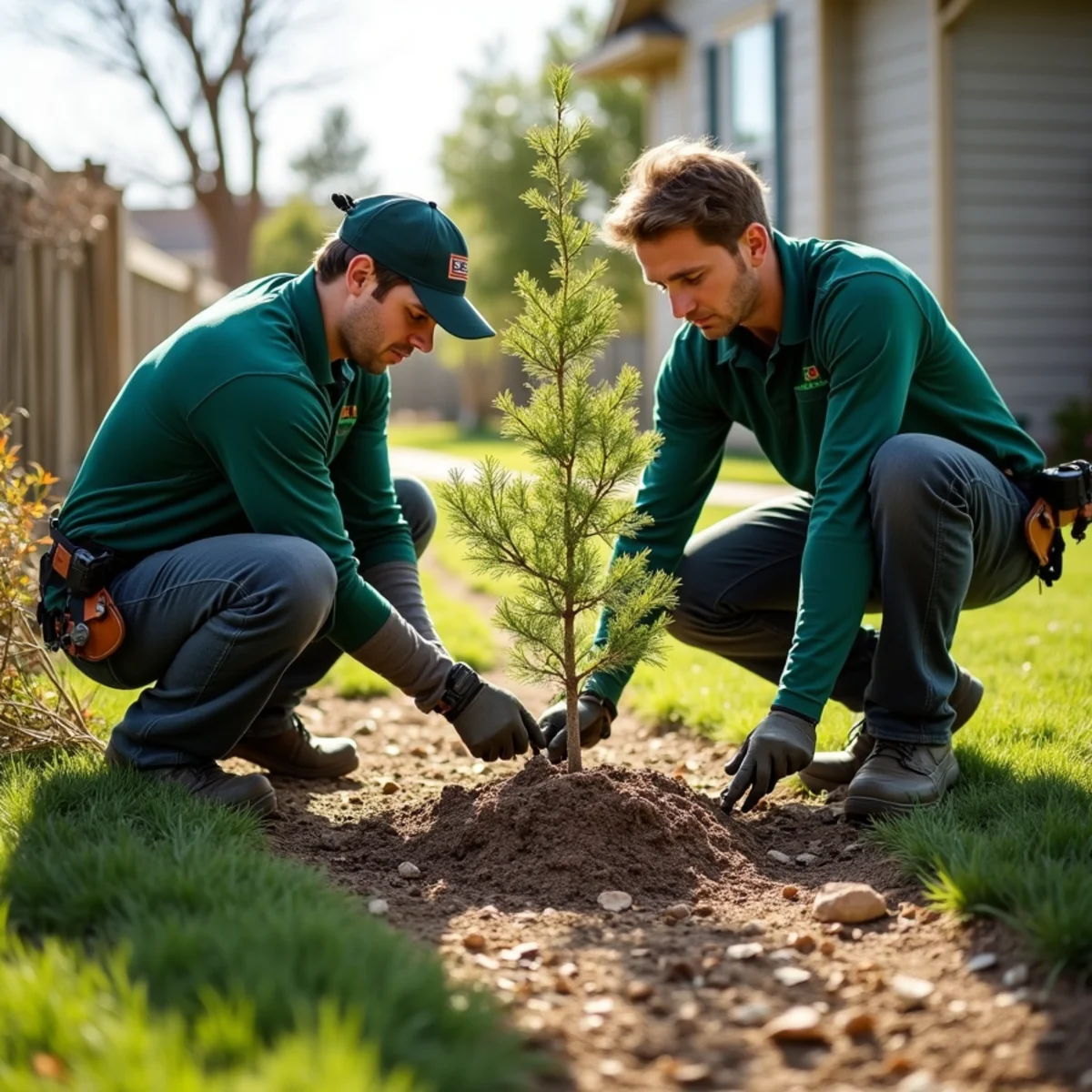
Landscape Installation crew working at an Aurora, Colorado property

Free estimate

Tell us about your project

Share the basics and we’ll follow up about the next step.

Your information is used only to respond to your request.

What to watch

Landscape goals we design the scope around

Worn or empty beds

Fresh definition, appropriate surface material, and selective planting can restore structure without overcomplication.

High-maintenance layouts

Simplifying crowded plants, awkward edges, and small unusable turf areas can reduce repeated labor.

Poor use of space

Clear paths, open sightlines, and purpose-driven zones make a yard feel larger and easier to use.

Disconnected tree and landscape care

Design around mature roots, shade, trunk flare, and future canopy so improvements do not harm valuable trees.

Lock the plan before covering the site

Move from function to infrastructure to finish

A reliable installation sequence resolves how the space works and how water moves before plants, rock, mulch, edging, or turf make unresolved conditions harder to reach.

Lock use and boundaries

Identify access, gathering, pets, play, screening, visibility, service routes, snow storage, retained trees, and exact project limits. A small concept change can alter quantities and irrigation.

Verify existing conditions

Document slope, drainage paths, downspouts, soil exposure, utilities, irrigation, roots, old fabric/edging, buried material, gate width, and staging before demolition or grading starts.

Coordinate water and plants

Group plants with compatible water and exposure needs, allow for mature size, protect tree flare and roots, and define establishment watering. Water-wise does not mean no water or no maintenance.

Specify surfaces and phases

Name material, size, color range, approximate quantity, preparation, depth or section where relevant, edge conditions, and phase boundaries so substitutions and extras require discussion.

Our process

How landscape installation moves from concern to completion

  1. 1

    Read the site

    We review sunlight, drainage, access, existing plants, irrigation, and how the area should function.

  2. 2

    Define materials and boundaries

    The scope identifies surfaces, bed lines, plant zones, quantities, and finish expectations.

  3. 3

    Prepare before covering

    Removal, grading, and base work are completed as required for the selected installation.

  4. 4

    Install and review care

    Materials and plants are placed, the area is cleaned, and maintenance needs are explained.

Honest estimates

What affects the project scope

Preparation

Removal, excavation, grading, root conflicts, and disposal often shape cost more than the visible finish.

Material choice and quantity

Rock, mulch, edging, soil, and plants differ in purchase, delivery, and placement labor.

Access

Long carries, narrow gates, stairs, and limited staging areas affect production.

Irrigation and phases

Moving or adding watering zones and dividing work into phases change the project structure.

We do not publish fake flat prices. Your estimate reflects the conditions, access, material handling, and finish described on site.

Define a complete handoff

Walk the project by function—not appearance alone

A useful completion review confirms the plan, infrastructure, quantities, care, and remaining responsibilities. New plants and disturbed soil are the beginning of establishment, not the end of ownership.

Layout and drainage

Verify paths, use zones, bed lines, slope transitions, downspout routes, surface drainage, tree clearances, and access against the agreed plan before final acceptance.

Materials and plants

Confirm installed areas, material/product descriptions, plant identities and sizes, substitutions, visible damage, settling allowances, and any owner-supplied items.

Watering and controls

Review active zones or establishment method, controller responsibilities, known limitations, shutoffs, and what service is needed if coverage does not match the new hydrozones.

Care and change record

List cleanup, remaining phases, approved changes, warranty terms if any, establishment watering, weed/debris care, mulch renewal, pruning, and the owner actions required after handoff.

Compare the same preparation, quantities, and care plan

Two proposals can show the same finished idea while including different removal, drainage, soil, irrigation, material quantities, plant sizes, cleanup, and establishment work. Compare the layers beneath the final surface.

  • Scaled or measured boundaries, use zones, retained features, and exclusions
  • Removal, disposal, utilities, root conflicts, grading, drainage assumptions, soil, and base preparation
  • Material names, sizes, colors, quantities, delivery, placement, edging, and substitution rules
  • Plant names, sizes, quantities, mature spacing, hydrozones, and establishment watering
  • Irrigation work, permits, HOA or program approvals, inspections, locates, and responsible party
  • Phases, payment or change approvals, cleanup, completion review, care, warranty terms, and owner duties

Common questions

Landscape Installation FAQs

These answers match the visible structured data on this page.

Can you remove old landscaping before installation?

Yes. Shrub, brush, surface material, and bed cleanup can be included as preparation for the new plan.

Do I need new irrigation for a landscape project?

Not always. Existing coverage should be checked against the new plant and surface plan. Changes may be needed when zones or water needs do not match.

Is rock always lower maintenance than mulch?

Rock does not decompose quickly, but it still collects debris and weeds and can hold heat. Mulch needs renewal but supports many planting beds. The better choice depends on site and goals.

Can a project be completed in phases?

Yes. A clear phase plan can address cleanup, infrastructure, surfaces, and planting in a sensible order.

Will my Aurora landscape project need permits or preapproval?

It may. Aurora publishes requirements for qualifying lawn and automated-irrigation installations, replacements, enlargements, or renovations. Conservation incentives can require approval before installation, and HOA or metro-district review may be separate. Confirm current responsibility and written approval before demolition or purchasing materials.

Does water-wise landscaping mean no watering or maintenance?

No. Water-wise design matches plants, exposure, soil, mulch, and efficient irrigation, but new plants need establishment water and every landscape needs weed, debris, pruning, and system attention. The care plan should state who manages those tasks after installation.

Continue planning

Related services and practical reading

Landscaping

Hardscaping

Paths, patios, borders, and retaining features organize how an outdoor space is used. Good hardscape work begins below the finished surface, with careful layout, base preparation, drainage awareness, and respect for existing trees and utilities.

Explore hardscaping

Landscaping

Irrigation Services

Irrigation performance changes as plants grow, heads settle, beds are redesigned, and exposure shifts. We look at coverage, zone purpose, visible leaks, and the needs of the current landscape instead of assuming the original setup still fits.

Explore irrigation services

Landscaping

Landscape Maintenance

Healthy-looking landscapes are the result of many small tasks done at the right time. We coordinate pruning, bed care, cleanup, and seasonal priorities so the property stays manageable instead of cycling between neglect and major rescue work.

Explore landscape maintenance

Free estimate

Ready to plan your landscape installation project?

Tell us what you are seeing. We’ll review the scope, explain the next step, and prepare an estimate for the work your property actually needs.

Why property owners call MQ

  • Serving Colorado properties since 2010
  • 121 customer reviews
  • Careful work and detailed cleanup
  • Fair, scope-based estimates