
Serving Aurora & Colorado communities since 2010
MQ Landscaping & Tree Services logo
Call for a Free Estimate — +1 (208) 635-2100
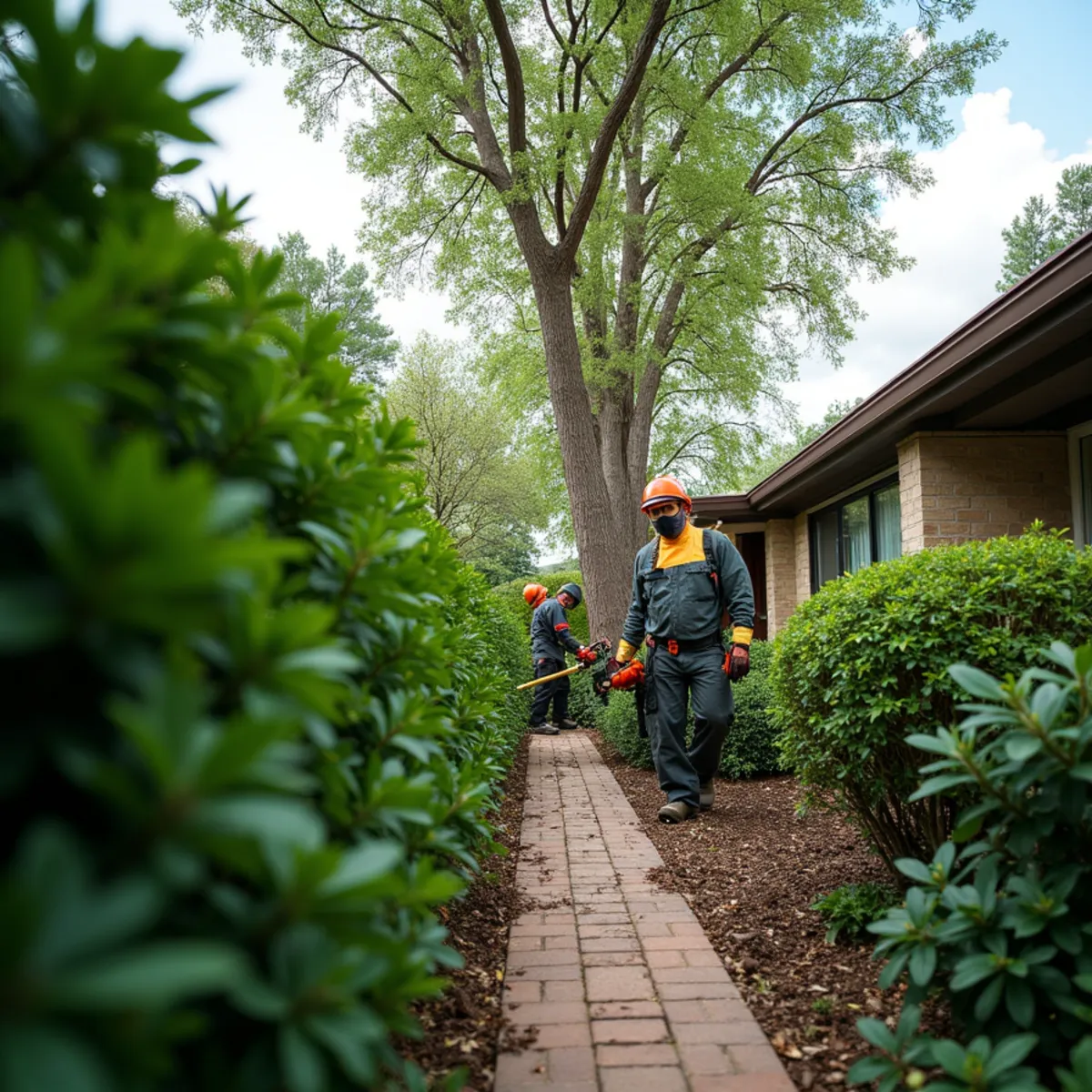
Landscaping crew clearing overgrown shrubs from an Aurora yard

Clear the overgrowth. Keep the parts worth keeping.

Brush & Shrub Removal in Aurora, CO

Overgrown shrubs and volunteer trees can swallow walkways, hide fences, block windows, and make a yard feel smaller than it is. We define what stays, what goes, and how the cleared area should be left for its next use.

Serving since 2010 121 reviews Careful cleanup

Brush & Shrub Removal planned for the actual property

Brush removal is most successful when it starts with a boundary. Mixed growth often includes desirable shrubs tangled with volunteer elms, suckers, vines, dead canes, and accumulated litter. Cutting everything to the ground can remove useful screening and still leave a root problem. We walk the area with you, mark the plants to retain, identify access, and decide whether the goal is simple clearance, full shrub removal, fence access, or preparation for a new landscape layout.

The work method depends on plant size and location. Small brush may be cut and processed in sections, while established shrubs can require digging or mechanical assistance for the crown and accessible root mass. Growth against a fence, utility box, foundation, or irrigation line calls for more controlled work. We also consider what is hidden beneath the canopy: rock, edging, wire, landscape fabric, stumps, and uneven ground can all affect safe cleanup.

Supplied customer reviews describe MQ turning neglected properties around, removing old bushes and border debris, and handling Russian olive growth efficiently. Those projects show the value of combining clearing with finish work. Once the bulk material is removed, remaining sprouts, small debris, exposed soil, and grade become visible. Your scope can stop at rough clearing or continue into rock, mulch, planting, or maintenance depending on the intended use.

Removal is not the only answer for every overgrown plant. Some shrubs respond well to renewal pruning or staged reduction, especially when the root system is sound and the plant still fits the site. Others have outgrown the space or repeatedly obstruct utilities and paths. We explain the practical tradeoff so the budget goes toward a lasting improvement rather than a temporary haircut that recreates the same problem next season.
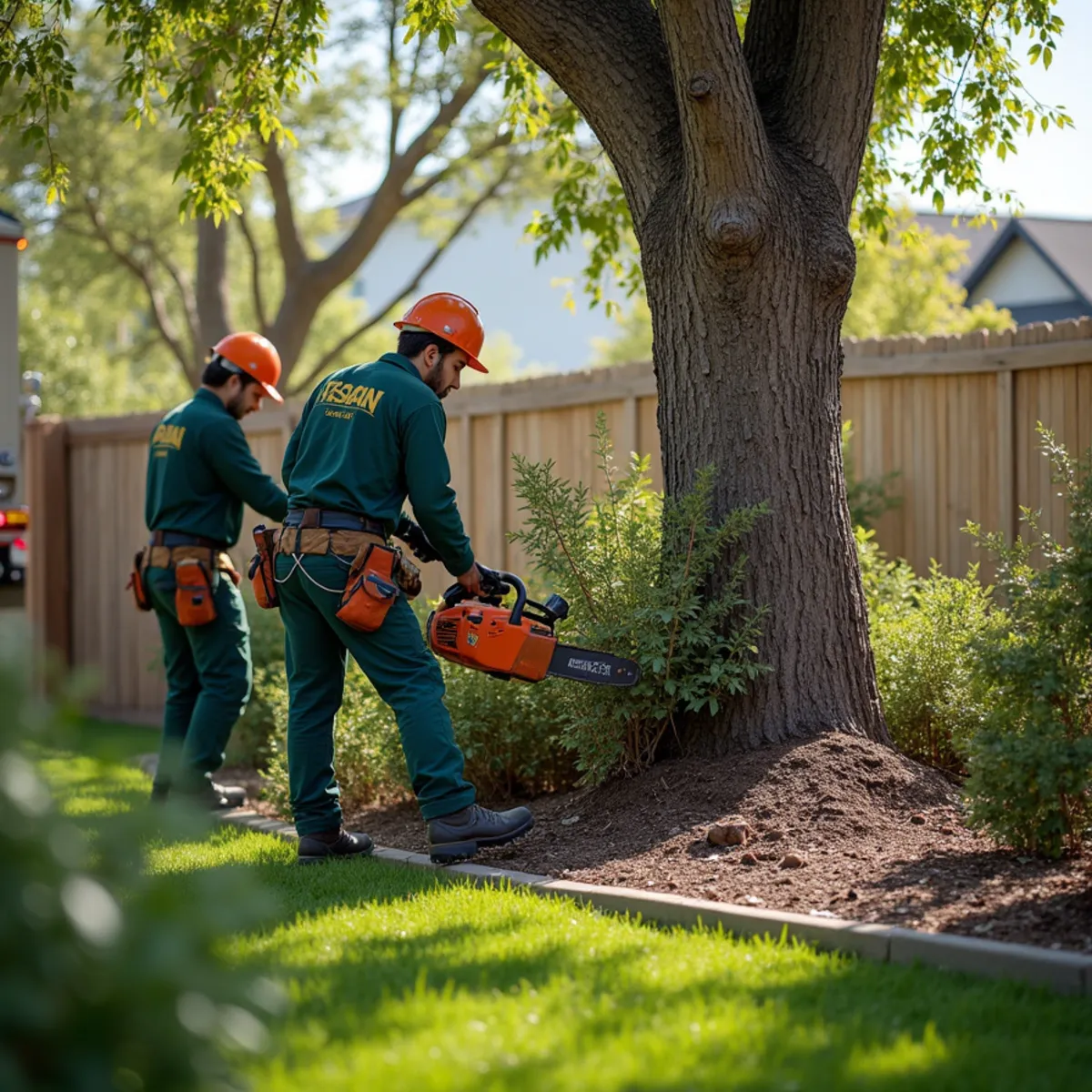
Brush & Shrub Removal crew working at an Aurora, Colorado property

Free estimate

Tell us about your project

Share the basics and we’ll follow up about the next step.

Your information is used only to respond to your request.

What to watch

Overgrowth problems we can help resolve

Volunteer trees and suckers

Fast-growing volunteers can crowd foundations, fences, established plants, and utility areas.

Shrubs blocking access

Overgrowth around gates, meters, windows, and walks makes normal property use and maintenance difficult.

Dead and tangled growth

Old canes and accumulated debris create an untidy mass that is hard to prune selectively.

Beds ready for a reset

Removing failed or poorly placed plants can create a clean base for a better rock, mulch, or planting plan.

Define what stays and what changes

Preserve, renew, clear, or remove by zone

Mixed beds rarely need one treatment everywhere. Mark the boundary and purpose of each zone before work starts so useful screening, established plants, and future access are not lost in a blanket cutback.

Preserve and expose

Keep a well-placed shrub or screen, then remove dead canes, volunteers, vines, and litter around it so its structure and irrigation can be seen and maintained.

Renew or reduce

A sound shrub that still fits the site may respond to selective or staged renewal instead of removal. State the desired height, clearance, and retained function rather than asking for a generic haircut.

Clear for access

Open measured space around gates, walks, meters, utility boxes, windows, foundations, or fences. The objective may be reliable access—not removal of every plant in the bed.

Remove and reset

When a shrub is failed, badly placed, repeatedly obstructive, or part of a redesigned bed, define whether work stops at cutting or includes accessible crown/root removal and surface preparation.

Our process

How brush & shrub removal moves from concern to completion

  1. 1

    Mark keep and remove zones

    We confirm the exact plants and boundaries before cutting begins.

  2. 2

    Expose hidden obstacles

    The crew works carefully around edging, rock, utilities, irrigation, and fences concealed by growth.

  3. 3

    Cut, remove, and process

    Brush and shrubs are reduced in manageable sections and handled according to the scope.

  4. 4

    Prepare the cleared area

    The finish can range from rough clearing to cleanup ready for the next landscape phase.

Honest estimates

What affects the project scope

Density and plant size

A light seasonal cutback differs from mature interwoven shrubs and volunteer trunks.

Root removal

Cut-only, crown removal, and more extensive root work have different labor and disturbance levels.

Access and hidden material

Fences, rock, slopes, wire, and tight side yards can slow processing and hauling.

Finish scope

Hauling, grading, fabric removal, mulch, rock, or planting should be priced as clear line items.

We do not publish fake flat prices. Your estimate reflects the conditions, access, material handling, and finish described on site.

Choose the finish before clearing

Leave the cleared zone ready for its actual next step

Removing foliage reveals stumps, fabric, rock, soil level, irrigation, weeds, and grade that were previously hidden. Choose a stopping point that fits the budget and the work scheduled next.

Cut and haul

Vegetation is cut to the agreed boundary and green material is handled as quoted. Root crowns, old fabric, rock, grading, and new cover remain unless listed.

Rough-cleared access

Accessible crowns or selected roots are reduced and major debris is removed so a fence, utility, inspection, or design team can reach the area.

Bed-ready preparation

Add specified fabric or rock removal, soil shaping, irrigation adjustments, and a temporary erosion or weed-control plan before mulch, rock, or planting begins.

Installed and maintainable

If a new landscape is included, define material, depth, plant layout, irrigation, edging, and the maintenance needed to manage sprouts and volunteer seedlings after the reset.

Compare the same plants, roots, debris, and finish

“Remove the shrubs” can mean a seasonal cutback, cutting at grade, extracting accessible crowns, hauling all green waste, or preparing a bed for installation. List plants and finish conditions so each estimate describes the same work.

  • Plants and exact boundaries marked to preserve, renew, cut, or remove
  • Cut-only, accessible crown/root removal, and named volunteer trunks or surface roots
  • Gate access, slopes, foundations, fences, meters, utilities, irrigation, wire, fabric, and rock
  • How brush, wood, soil, rock, and other material will be separated, staged, and hauled
  • The finish level—cut, rough-cleared, bed-ready, or fully installed under a separate line item
  • Expected regrowth, bare-soil protection, exclusions, follow-up, and owner responsibilities

Common questions

Brush & Shrub Removal FAQs

These answers match the visible structured data on this page.

Will removed shrubs grow back?

Some species can resprout from remaining roots. The likelihood depends on the plant and whether the scope includes only cutting or root-crown removal.

Can you clear brush without removing nearby plants?

Yes, when plants are marked and access allows selective work. Dense intertwined growth may limit how cleanly species can be separated.

Do you haul the brush away?

Hauling can be included. The estimate states how brush, wood, and other debris will be handled.

Can you install rock or mulch after clearing?

Yes. Clearing can be paired with landscape installation so the area moves directly from overgrown to finished.

Does shrub removal include roots, fabric, rock, and soil grading?

Only when those items are written into the scope. Cutting, accessible root-crown removal, fabric or rock removal, grading, imported soil, and installation are separate work decisions with different disturbance and hauling needs.

How are Russian olive or other noxious plants handled?

The species and applicable Colorado, City, HOA, open-space, or land-manager requirement should be confirmed before choosing a method. This page does not claim herbicide application, and cutting alone may not prevent resprouting from established roots.

Continue planning

Related services and practical reading

Landscaping

Yard & Lot Cleanup

A major cleanup is different from weekly yard care. We organize tall growth, fallen branches, old shrubs, leaves, and outdoor debris into a practical sequence so the property becomes safe, visible, and ready to maintain again.

Explore yard & lot cleanup

Landscaping

Landscape Installation

A successful landscape is not only attractive in the first photo. It fits the site, drains sensibly, can be watered, and leaves room for trees and plants to mature. We connect cleanup, layout, materials, and ongoing care into one practical plan.

Explore landscape installation

Landscaping

Landscape Maintenance

Healthy-looking landscapes are the result of many small tasks done at the right time. We coordinate pruning, bed care, cleanup, and seasonal priorities so the property stays manageable instead of cycling between neglect and major rescue work.

Explore landscape maintenance

Free estimate

Ready to plan your brush & shrub removal project?

Tell us what you are seeing. We’ll review the scope, explain the next step, and prepare an estimate for the work your property actually needs.

Why property owners call MQ

  • Serving Colorado properties since 2010
  • 121 customer reviews
  • Careful work and detailed cleanup
  • Fair, scope-based estimates