
Published page, confirmed project
A location page shows that the community is included in this site's coverage plan. The exact address, service type, access, route, equipment needs, and current availability are still confirmed before scheduling.
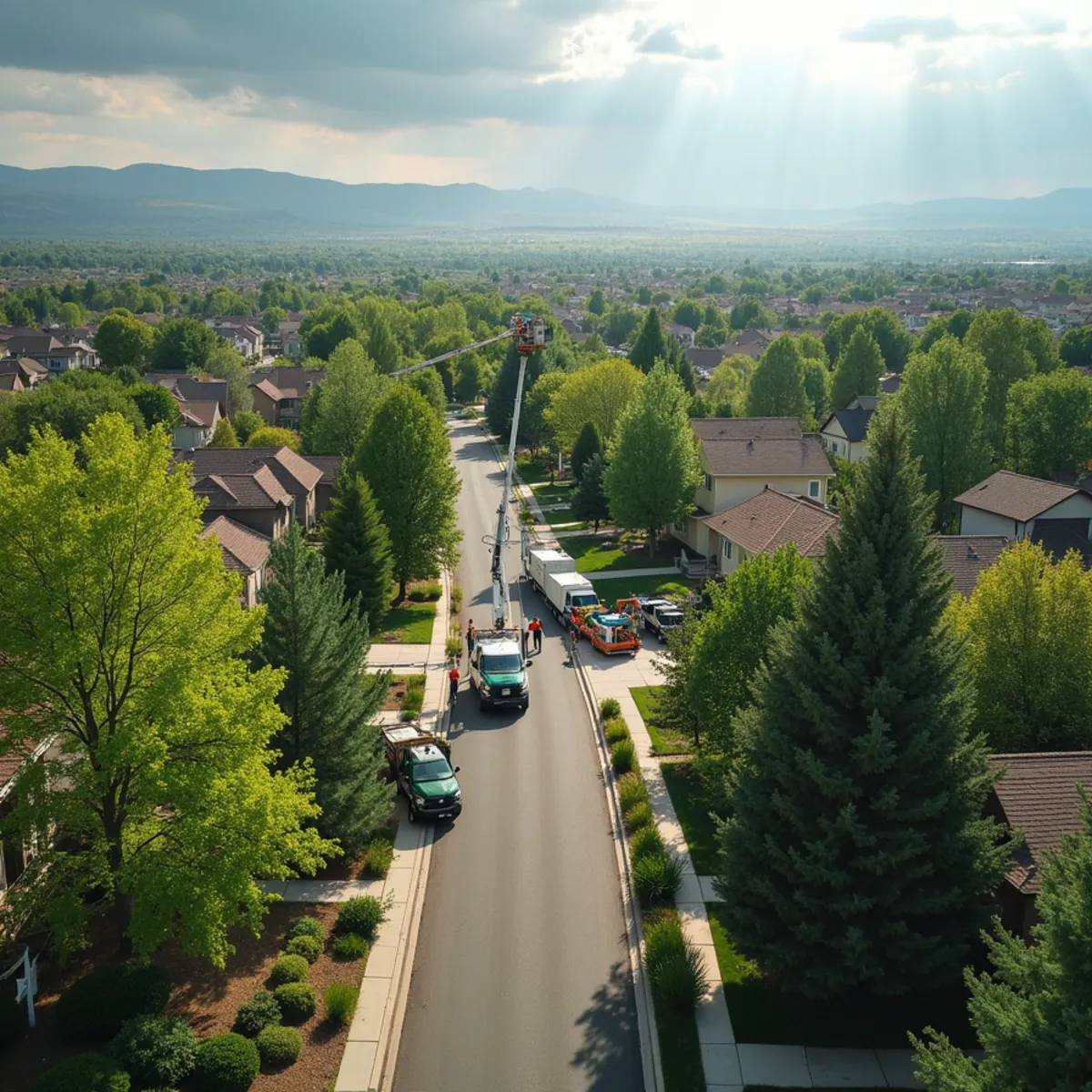
Aurora-based service
Local pages built around the trees, access, weather exposure, and property patterns found in each Colorado community we target.
Local coverage
Each page includes location-specific guidance, nearby landmarks, common ZIP codes, top services, and a direct path to an estimate.
These city and metro-community pages explain how development age, tree maturity, access, exposure, slope, lot pattern, and local landmarks shape a site-specific conversation.
Aurora spans established central neighborhoods, maturing southeast communities, and newer high-plains development. These guides add neighborhood-level context while the property address remains the final availability check.
Front Range context
Denver-metro properties can shift from narrow alleys and mature parkway trees to open, wind-exposed subdivisions, sloped lots, acreage, commercial parking, and carefully planned HOA landscapes. Strong sun, dry air, hail, heavy wet snow, irrigation history, compacted soil, roots, buildings, vehicles, and utilities affect the work more directly than a boundary on a map.
Local authority matters as well. A tree near a sidewalk or street may be private, City-owned, HOA-controlled, or governed by a site plan depending on the property. Confirm ownership, permissions, utility responsibilities, and current municipal requirements for the actual address before work begins.
Route qualification
Coverage questions
These answers explain how to use the location pages, confirm availability, and separate local context from property-specific rules.
The guide links to 19 Colorado city or metro-community pages and six Aurora neighborhood pages. Use the matching page for local property, access, weather, landmark, and ZIP-code context, then confirm the exact address, project type, route, and current availability with MQ.
No. A page means the location is included in the site's service-area plan, not that every project or date is automatically available. Property location, service type, crew and equipment needs, route, access, and current scheduling are confirmed before an estimate is arranged.
Aurora covers varied development ages, exposures, tree maturity, access patterns, and landscape conditions. Neighborhood pages add useful local context for places such as Aurora Highlands, Saddle Rock, Tallyn's Reach, Murphy Creek, Seven Hills, and Meadow Hills without changing the address-confirmation requirement.
No. Tree ownership, public rights-of-way, permits, contractor licensing, HOA or metro-district requirements, utility responsibilities, disposal, and site-plan obligations can differ. The property owner should confirm the current rules for the actual address and scope; a location page is not a legal or permit determination.
Call +1 (208) 635-2100 for tree trimming, removal, stump work, storm cleanup, or tree hazards. The same configured number is used for landscaping, irrigation, hardscape, cleanup, and property-care requests.
Provide the property address, the tree or landscape concern, when it changed, access limitations, nearby structures or utilities, preferred timing, and the finish you expect. Photos can support the conversation, but the written scope should reflect actual site conditions.
Free estimate
Project type, route, and current scheduling affect availability. Tell us the property location and the tree or landscaping work you need.
Why property owners call MQ