
Serving Aurora & Colorado communities since 2010
MQ Landscaping & Tree Services logo
Call for a Free Estimate — +1 (208) 635-2100
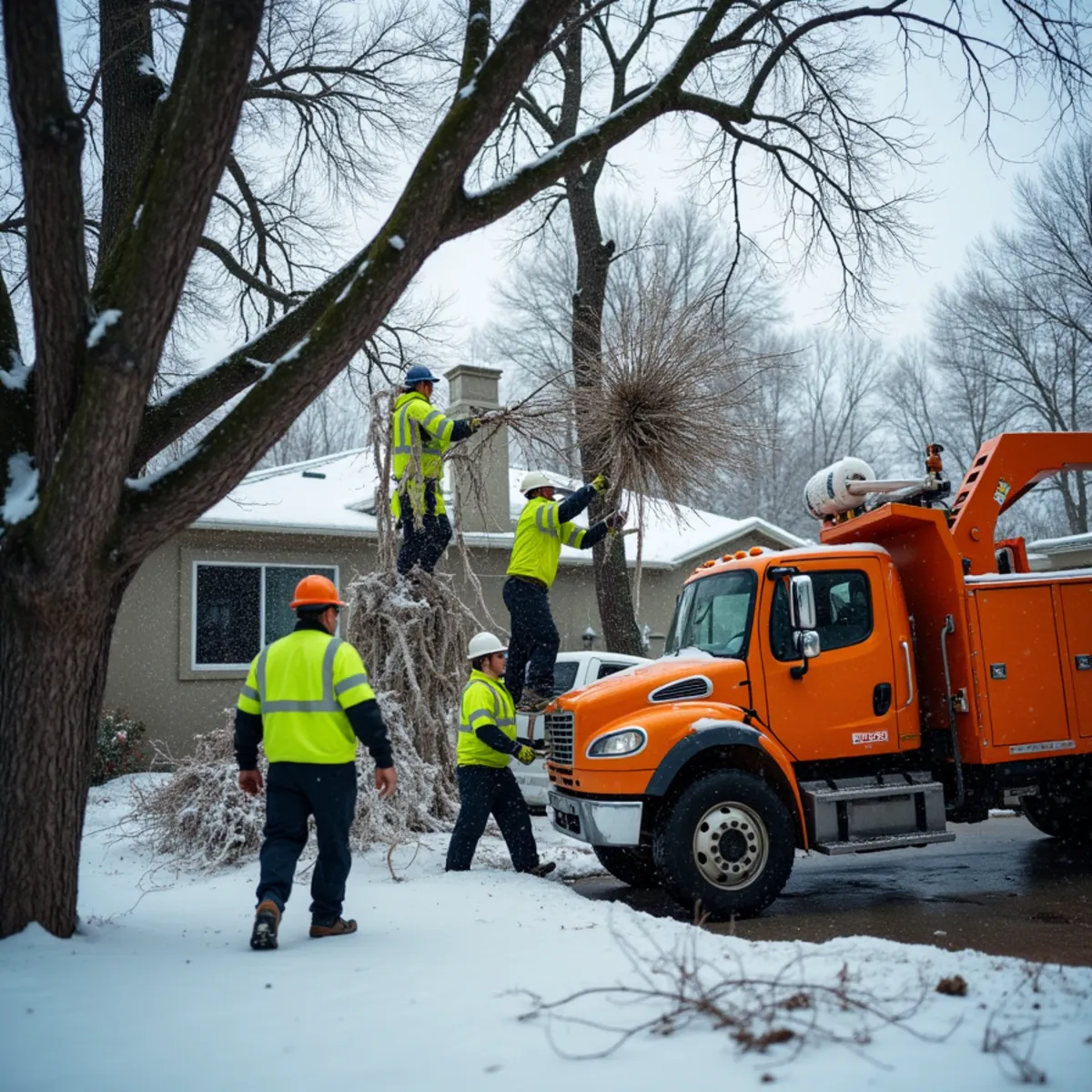
Crew clearing snow-damaged tree limbs from an Aurora property

Make the area safe. Preserve what can be preserved.

Storm-Damage Tree Cleanup in Aurora, CO

Wind, wet snow, and sudden Front Range weather can turn a normal tree concern into a complicated cleanup. We assess what moved, what is still under tension, what may fall next, and which parts of the tree remain viable before work starts.

Serving since 2010 121 reviews Careful cleanup

Storm-Damage Cleanup planned for the actual property

Storm scenes can be deceptive. A limb on the ground may be straightforward, while a split leader still hanging in the canopy can store tremendous force. Bent branches, partially uprooted trunks, broken tops, and limbs resting on roofs or fences all require different sequencing. The first priority is controlling access around the hazard. Keep people and pets away, avoid standing under damaged branches, and do not pull on suspended material with a vehicle or improvised rope.

Our review begins with the tree and its targets. We look for fresh cracks, exposed roots, changed lean, hanging branches, broken attachments, and damage at the base. We also consider what the branch is resting on and whether moving one section could release another. This assessment separates material that can be safely processed from damage that needs deliberate rigging or a larger removal plan.

Not every storm-damaged tree must be removed. A tree with a sound trunk and manageable branch loss may recover after broken wood is removed and cuts are made back to appropriate points. A tree with a split main stem, severe root-plate movement, or extensive crown loss may not have a reasonable path to stability. We explain the condition we can see and distinguish immediate cleanup from longer-term pruning or removal decisions.

Supplied customer feedback includes a snowstorm response in which MQ came out quickly, handled downed trees smoothly, and left the area clean. Other reviews mention dead cottonwood limbs that threatened a home during high wind. Those experiences reinforce the value of clear priorities: remove active hazards, protect the property, process debris, document what remains, and avoid unnecessary cuts to the parts of the tree that can still serve the landscape.
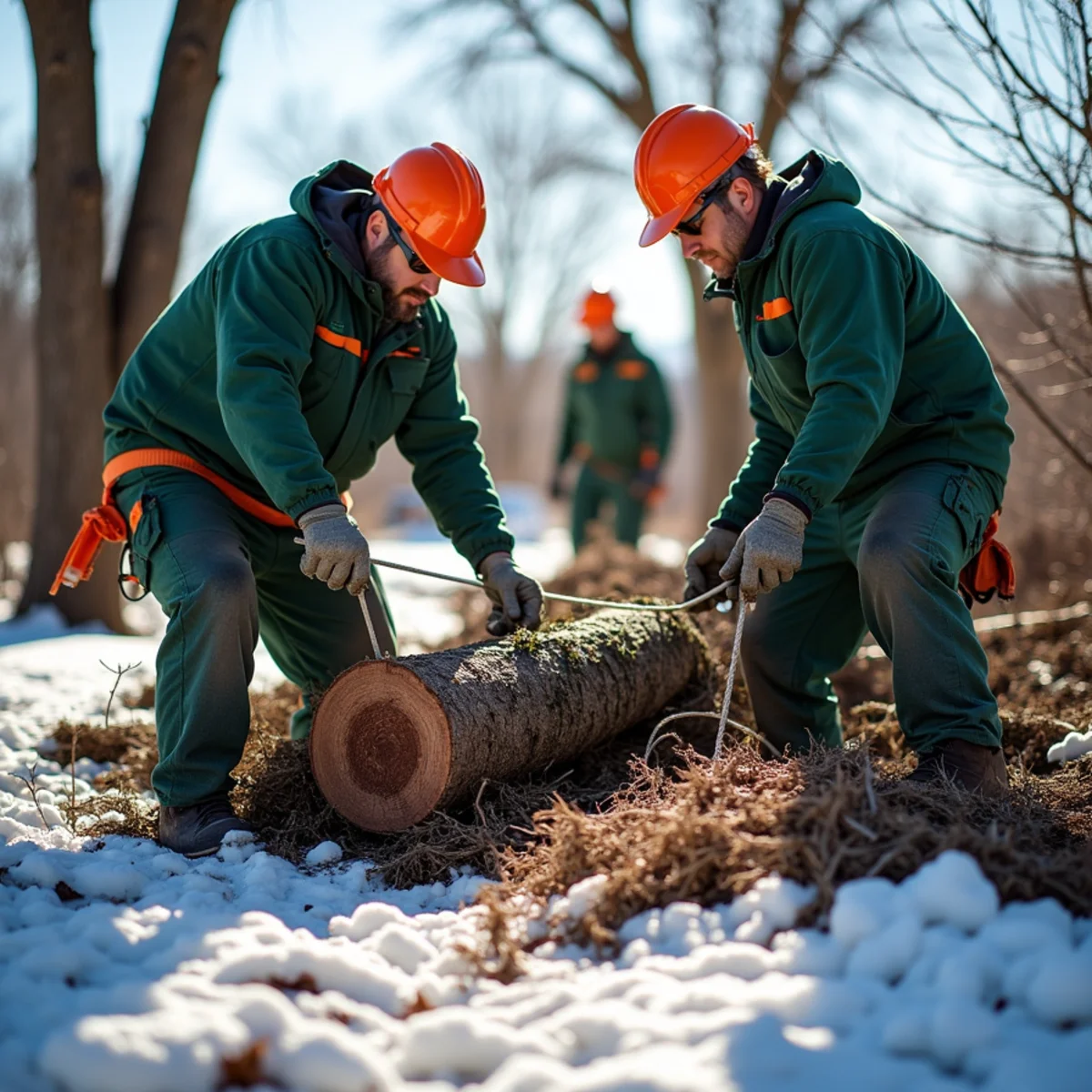
Storm-Damage Cleanup crew working at an Aurora, Colorado property

Free estimate

Tell us about your project

Share the basics and we’ll follow up about the next step.

Your information is used only to respond to your request.

What to watch

Storm damage that needs professional attention

Hanging or suspended limbs

Broken branches lodged in the canopy may fall or shift when nearby material is moved.

Split trunks and leaders

Fresh separations can progress under canopy weight, especially when wind or snow continues.

Root-plate movement

Lifted soil, cracked ground, or a sudden lean may show that support roots have shifted.

Damage over structures

Branches on roofs, fences, sheds, or vehicles need a removal plan that accounts for the load already being carried.

Choose the correct first call

Triage the scene before anyone starts moving wood

The safest next step depends on electrical contact, ownership, access, and what is still suspended or supporting another load. Do not turn an urgent scene into a larger one by pulling, climbing, or cutting before those boundaries are clear.

Lines or electrical equipment

Stay clear of any branch, tree, wire, pole, service mast, or electrical box involved in the damage. Report downed or damaged lines to the utility immediately and call 911 when there is an immediate danger.

Public street or sidewalk

Report a fallen City tree, broken City-owned limb, or public-right-of-way blockage to Aurora Forestry. Keep the public away while ownership and the responsible crew are determined.

Private tree and property

Restrict access, photograph damage from a safe position, and identify roofs, fences, vehicles, gates, and utilities involved. Private tree debris remains the owner's responsibility under Aurora's storm-cleanup guidance.

Damage without an active target

A broken limb may be schedulable if it is on the ground, away from access, and no part remains suspended. Do not assume a quiet scene is stable when cracks, lean, lifted soil, or overhead hangers remain.

Our process

How storm-damage cleanup moves from concern to completion

  1. 1

    Secure the work zone

    We establish safe access and identify material that could move unexpectedly.

  2. 2

    Assess load and sequence

    The crew studies broken attachments, tension, supports, and targets before cutting.

  3. 3

    Remove active hazards

    Damaged material is controlled and processed in an order designed for the specific scene.

  4. 4

    Plan the next step

    After cleanup, we discuss whether remaining trees need pruning, monitoring, or removal.

Honest estimates

What affects the project scope

Urgency and site condition

Unstable scenes and difficult access can require more setup and control than routine pruning.

Material under tension

Bent, suspended, or supported limbs demand careful sequencing and specialized handling.

Structures and obstacles

Roofs, vehicles, utilities, fences, and narrow access change the work plan.

Debris volume and follow-up

Hauling, additional pruning, or complete removal should be separated clearly in the estimate.

We do not publish fake flat prices. Your estimate reflects the conditions, access, material handling, and finish described on site.

Separate now from next

Define the safe stopping point and the recovery plan

Immediate cleanup can remove an active hazard without completing every tree or property repair. Separate each phase so the owner knows what will be safe today, what remains to be monitored, and what needs another qualified trade.

Hazard stabilization

The first scope may control hanging material, open a driveway, or remove weight from a damaged target. It should name any unstable wood or restricted area that remains afterward.

Tree recovery decision

After broken material is removed, reassess trunk, roots, crown loss, and remaining attachments. Corrective pruning, staged monitoring, or whole-tree removal should be a stated recommendation—not an automatic assumption.

Debris and stump

Clarify brush and wood hauling, raking, and where material may be staged. Stump grinding is a separate finish choice when the entire tree is removed.

Property repairs

Tree crews manage tree material; roof, structural, electrical, fencing, vehicle, and drainage repairs may require separate contractors. Photograph conditions safely and confirm insurer requirements before repair work begins.

Compare the same hazard, debris, and follow-up scope

Storm estimates can describe very different endpoints: opening access, removing one hanging limb, processing all private debris, pruning the remaining crown, or removing the whole tree. Put the immediate hazard and every follow-up item on separate lines.

  • The exact tree, limb, or debris included and the active hazard being controlled
  • Utility, City, insurer, or emergency-service handoffs that must occur before tree work
  • Structures, vehicles, fences, landscaping, and access routes affected by the load
  • Whether the scope is stabilization, partial cleanup, corrective pruning, or full removal
  • How branches, wood, and private storm debris will be processed, staged, and hauled
  • Remaining restricted areas, stump options, follow-up assessment, exclusions, and owner responsibilities

Common questions

Storm-Damage Cleanup FAQs

These answers match the visible structured data on this page.

What should I do first after a tree is damaged in a storm?

Keep people away, avoid touching branches near utilities, and take photos from a safe location. Call the appropriate utility for line involvement, then contact a tree-service crew for the tree hazard.

Can a split tree be saved?

Sometimes, but it depends on where the split occurs, how much structure remains, and what targets are nearby. An on-site assessment is necessary.

Will homeowners insurance cover storm tree work?

Coverage varies by policy and what was damaged. Photograph the scene before cleanup when safe, and contact your insurer for policy guidance.

Do you provide 24/7 emergency service?

The supplied business information confirms quick response times but does not publish 24/7 availability. Call the tree-service number to ask about current scheduling and urgency.

Will the City of Aurora pick up private storm debris?

Aurora says it does not collect private tree limbs or brush and does not provide a public dump site for storm debris. City crews address City-owned tree damage and public rights-of-way; keep private debris separate and confirm hauling in the tree-service estimate.

Does storm cleanup include removing the whole tree and stump?

Not automatically. A storm scope may stabilize hanging material, open access, or process downed debris while the remaining tree is assessed. Corrective pruning, whole-tree removal, stump grinding, and property repairs should each be identified separately in the estimate.

Continue planning

Related services and practical reading

Tree service

Hazardous & Dead Trees

A tree can look alive and still carry serious defects, while a sparse canopy does not automatically mean removal. We focus on the visible structure, the likely failure points, and what would be struck if a part of the tree moved.

Explore hazardous & dead trees

Tree service

Tree Removal

When a tree is dead, unstable, badly damaged, or simply in the wrong place, the removal plan matters as much as the final cut. We organize the work around access, nearby targets, debris handling, and the condition of the tree so the process stays deliberate from the first assessment through cleanup.

Explore tree removal

Tree service

Tree Trimming & Pruning

Good pruning solves a defined problem. It may remove dead wood, improve clearance, reduce weight on an overextended limb, or restore balance after years of uneven growth. We shape the scope around the tree’s structure and the way the property is used.

Explore tree trimming & pruning

Free estimate

Ready to plan your storm-damage cleanup project?

Tell us what you are seeing. We’ll review the scope, explain the next step, and prepare an estimate for the work your property actually needs.

Why property owners call MQ

  • Serving Colorado properties since 2010
  • 121 customer reviews
  • Careful work and detailed cleanup
  • Fair, scope-based estimates