
Serving Aurora & Colorado communities since 2010
MQ Landscaping & Tree Services logo
Call for a Free Estimate — +1 (208) 635-2100
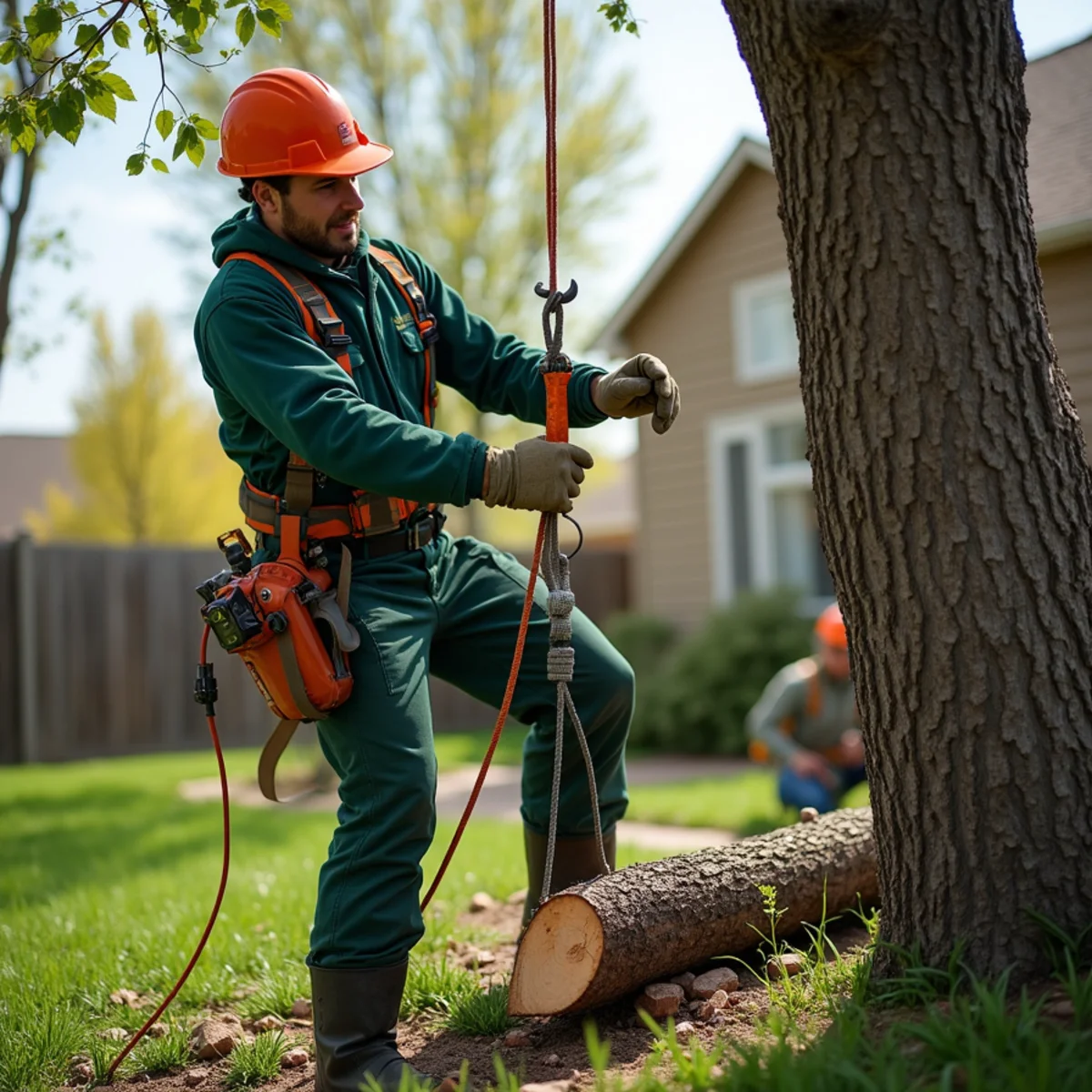
Tree removal crew safely lowering a section of tree in Aurora, Colorado

Controlled removals. Respect for your property.

Tree Removal in Aurora, CO

When a tree is dead, unstable, badly damaged, or simply in the wrong place, the removal plan matters as much as the final cut. We organize the work around access, nearby targets, debris handling, and the condition of the tree so the process stays deliberate from the first assessment through cleanup.

Serving since 2010 121 reviews Careful cleanup

Tree Removal planned for the actual property

Tree removal is rarely just a matter of cutting at the base. Aurora yards can be tight, with branches extending over roofs, fences, sheds, driveways, and neighboring properties. A mature tree may also carry hidden decay that changes how it can be climbed or dismantled. We begin by looking at the entire work zone: the tree’s lean, trunk condition, canopy weight, landing space, access for tools, and anything that must be protected. That site-specific plan guides how the tree is taken apart and where every section can move safely.

The supplied customer reviews describe removals involving large elms between houses, trees close to fences and electrical equipment, and tall backyard trees without truck access. Those situations reward patience and controlled rigging, not shortcuts. Sections may need to be reduced in a planned sequence and lowered rather than dropped. Ground work is coordinated with cutting so the crew can keep ropes, brush, and wood organized while preserving clear escape and movement paths.

A complete estimate should explain more than the fact that a tree will disappear. It should identify whether hauling is included, how the remaining stump will be handled, what access is required, and whether nearby shrubs or landscape features need extra protection. We believe clear scope prevents surprises. Once the tree is down, branches and wood are processed according to the agreed plan, the work area is raked, and the property is checked before the crew leaves.

Removal is appropriate when preservation is no longer reasonable or when the risk to people and property outweighs the value of keeping the tree. It can also support a larger landscape plan when volunteer growth, a poorly located tree, or an overgrown area prevents a yard from functioning well. If a tree is healthy enough to retain, thoughtful pruning may solve the problem with less disruption. We will discuss the practical difference so you can choose with confidence.
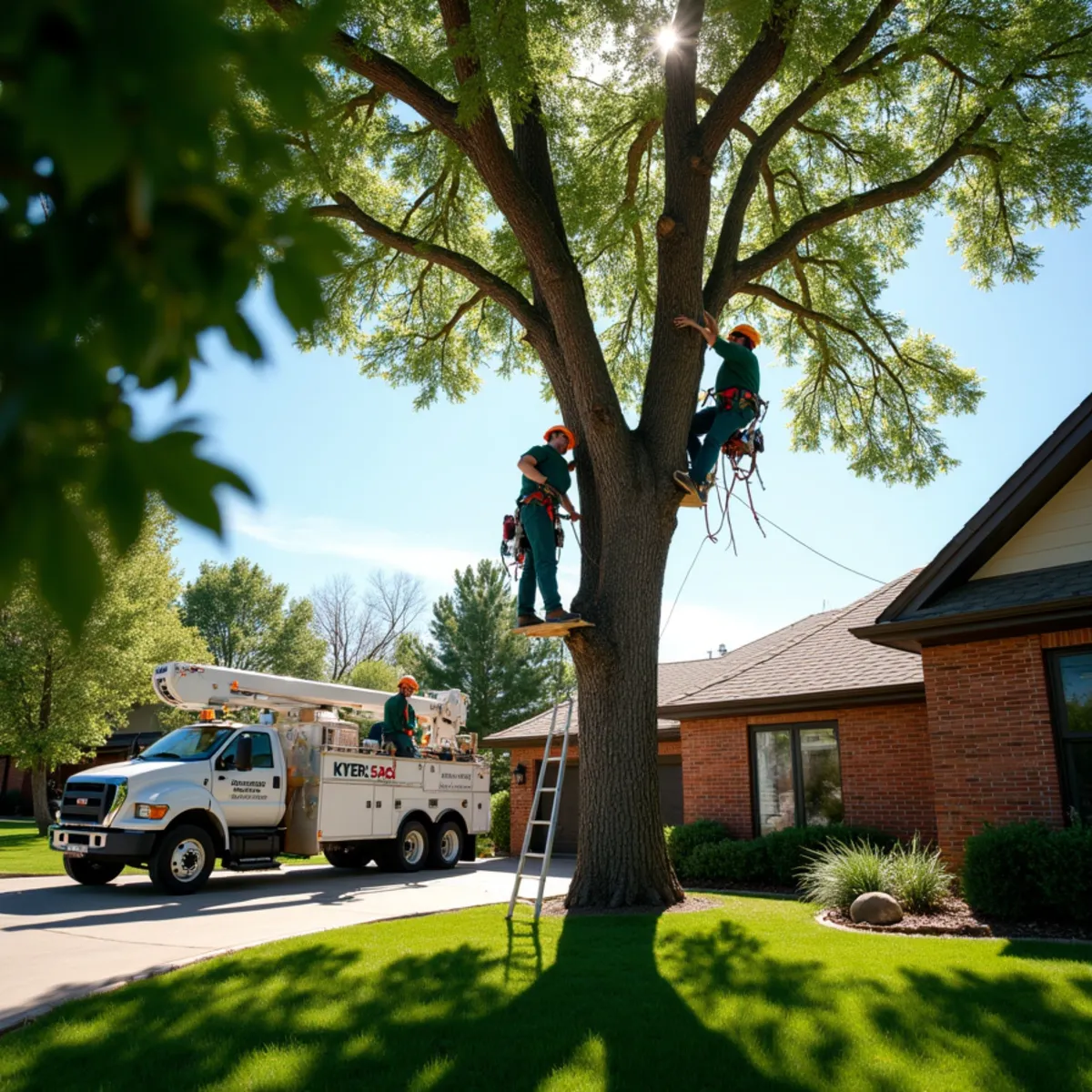
Tree service crew using controlled rigging at an Aurora, Colorado home

Free estimate

Tell us about your project

Share the basics and we’ll follow up about the next step.

Your information is used only to respond to your request.

What to watch

When tree removal may be the right next step

Dead or declining canopy

Widespread dead branches, severe trunk decay, or repeated large failures can indicate that the tree no longer has a dependable structure.

Storm or snow damage

A split leader, uprooted root plate, or trunk fracture after Front Range weather can leave the whole tree unstable even when part of the canopy remains green.

Conflict with property

Trees growing into structures, utilities, access lanes, or crowded planting spaces may have no sustainable pruning solution.

High-consequence lean

A developing lean toward a home, play area, street, or neighboring property deserves a prompt on-site assessment.

Choose the right level of response

Planned removal, prompt assessment, or immediate safety boundary?

Not every declining tree is an emergency, and not every green tree is structurally sound. The useful first step is to separate a condition that can be scheduled from a sudden change that requires people to stay clear while the right party evaluates it.

Plan the removal

A dead, declining, poorly placed, or landscape-conflicting tree may be scheduled when it is stable enough for a deliberate site plan. Planning early can preserve access and reduce the chance that weather chooses the timing.

Request a prompt on-site look

A fresh trunk crack, expanding lean, split leader, lifted soil, major new cavity, or large recent limb failure can change the risk. Keep the area below clear until the tree and targets are assessed.

Treat utility contact differently

Do not approach or attempt to move a tree or branch touching an overhead conductor or electrical service. Keep people back and contact the utility or emergency services as appropriate before ordinary cleanup begins.

Confirm removal is the right scope

When the trunk, roots, and main structure remain dependable, selective pruning may solve a clearance or branch problem. Removal becomes more practical when the whole-tree condition or location cannot be corrected responsibly.

Our process

How tree removal moves from concern to completion

  1. 1

    Assess the tree and work zone

    We inspect condition, lean, access, surrounding targets, and the room available for lowering or processing material.

  2. 2

    Build the removal sequence

    The crew plans how to reduce the canopy, control wood, protect surfaces, and maintain a clean work path.

  3. 3

    Dismantle with control

    Branches and trunk sections are removed in a sequence suited to the site rather than relying on a one-method-fits-all approach.

  4. 4

    Process and clean

    Wood and brush are handled according to the estimate, then the immediate work area is raked and reviewed.

Honest estimates

What affects the project scope

Tree size and wood volume

Height, trunk diameter, canopy spread, and species affect labor and the amount of material to process.

Access and nearby targets

Backyard gates, slopes, fences, roofs, utilities, and limited landing space can require more controlled handling.

Condition of the tree

Dead, split, hollow, or storm-damaged trees may need a different approach than sound standing trees.

Cleanup and stump scope

Hauling, wood decisions, stump grinding, and final surface preparation should be stated clearly in the estimate.

We do not publish fake flat prices. Your estimate reflects the conditions, access, material handling, and finish described on site.

Plan the finish

Decide what the ground should be ready for after removal

The tree can be gone while the project is still unfinished. State the intended next use before work begins so stump depth, chip handling, surface preparation, and access are scoped around a real outcome.

Stump decision

Tree removal and stump grinding are separate scope choices. Grinding reduces the stump and selected surface flare; it does not excavate the entire root system.

Wood and brush

Clarify whether wood is hauled, cut to an agreed size, or left, and whether brush processing and raking are included. Material volume can be a large part of the job.

Chips, soil, and settling

A ground stump leaves a soil-and-wood mixture that can settle as roots and chips decompose. Lawn, beds, and hard surfaces need different preparation expectations.

Replanting and irrigation

The old root system, changed shade, irrigation coverage, and species spacing all affect what should be planted next and exactly where it belongs.

Compare estimates using the same finished result

A low total and a complete total may describe different jobs. Ask each bidder to state these points so access, material handling, stump work, and cleanup are compared consistently.

  • The exact tree or trees included and the reason for removal
  • Access route, staging area, and nearby roofs, fences, utilities, vehicles, or plantings
  • How branches and trunk sections will be controlled and moved through the property
  • Whether brush, wood, chips, and final raking or hauling are included
  • Whether stump grinding is included, excluded, or quoted as an option
  • The agreed finish and any owner responsibilities before the crew arrives

Common questions

Tree Removal FAQs

These answers match the visible structured data on this page.

Can you remove a large tree in a tight Aurora backyard?

Large-tree work in limited access areas begins with a site assessment. Reviews supplied for MQ describe successful removals between houses and around fences, sheds, and electrical equipment. The exact approach depends on tree condition and safe access.

Is stump grinding included with tree removal?

Stump grinding is a separate scope decision because some owners keep a low stump while others want the area prepared for landscaping. We make the selected option clear in the estimate.

What happens to branches and wood?

Debris handling is agreed before work begins. The scope can include processing and hauling brush and wood, along with raking the immediate work area.

Should I remove or prune my tree?

If the main structure is sound, pruning may correct dead, crowded, or overextended branches. Removal is more likely when the trunk, roots, or overall structure cannot provide reasonable long-term safety.

Do I need permission to remove a tree on private property in Aurora?

Aurora generally allows residents to remove private, non-city trees, but residents may not remove City-owned trees. HOA requirements or a registered site plan can also affect removal or replacement obligations. Confirm ownership and current requirements with Aurora Forestry or the applicable property authority before scheduling.

What should I plan for after the tree is removed?

Decide whether stump grinding, wood or chip handling, hauling, grading, lawn preparation, or a future planting area belongs in the scope. Grinding does not remove every root, and wood-and-soil material can settle over time, so the intended next use should guide the finish.

Continue planning

Related services and practical reading

Tree service

Tree Trimming & Pruning

Good pruning solves a defined problem. It may remove dead wood, improve clearance, reduce weight on an overextended limb, or restore balance after years of uneven growth. We shape the scope around the tree’s structure and the way the property is used.

Explore tree trimming & pruning

Tree service

Stump Grinding

A remaining stump can interrupt mowing, attract volunteer shoots, become a trip point, and block the next landscape plan. Grinding reduces the visible stump and major surface flare so the area can be cleaned up and reused according to your goals.

Explore stump grinding

Landscaping

Yard & Lot Cleanup

A major cleanup is different from weekly yard care. We organize tall growth, fallen branches, old shrubs, leaves, and outdoor debris into a practical sequence so the property becomes safe, visible, and ready to maintain again.

Explore yard & lot cleanup

Free estimate

Ready to plan your tree removal project?

Tell us what you are seeing. We’ll review the scope, explain the next step, and prepare an estimate for the work your property actually needs.

Why property owners call MQ

  • Serving Colorado properties since 2010
  • 121 customer reviews
  • Careful work and detailed cleanup
  • Fair, scope-based estimates