Landscape Maintenance planned for the actual property
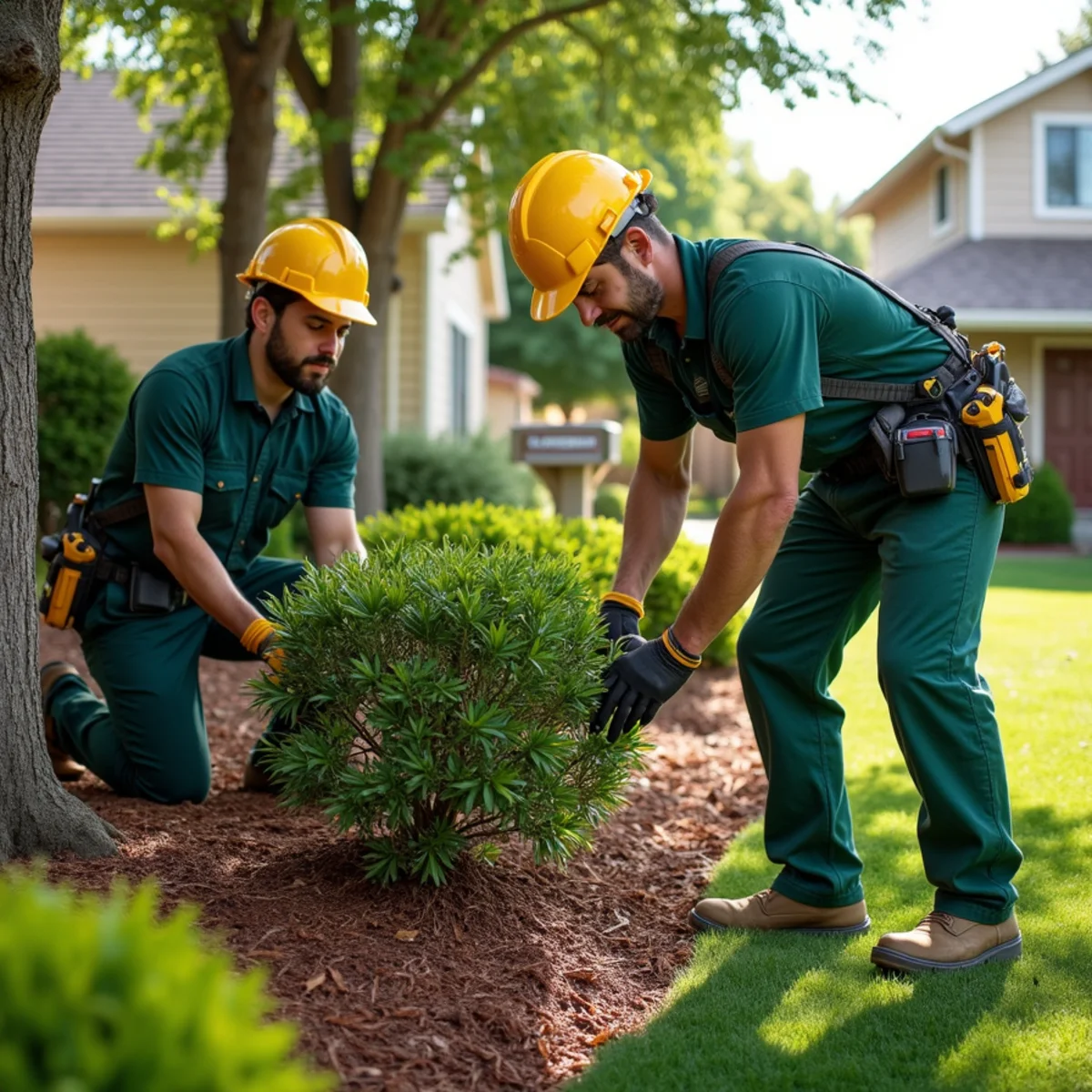
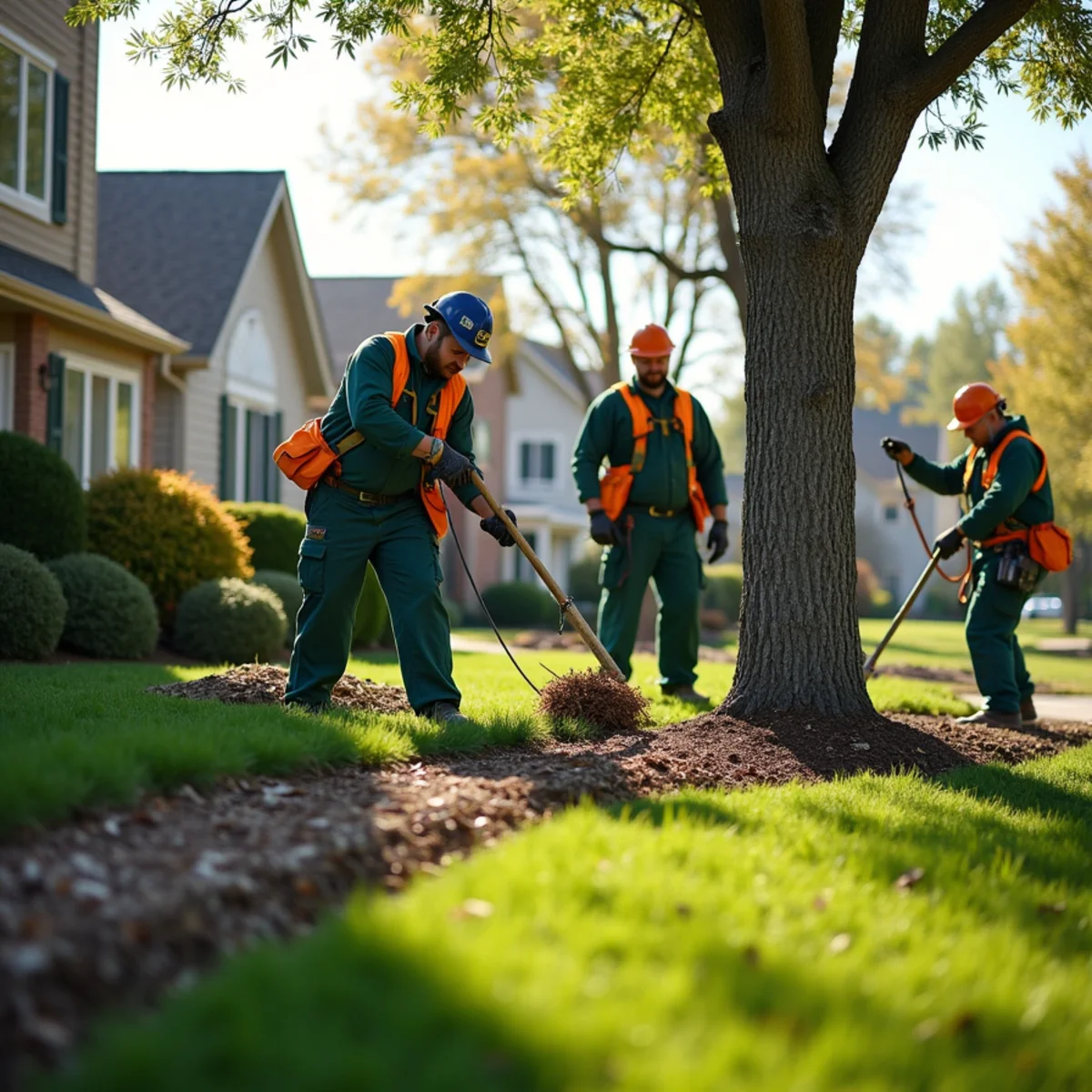
Landscape maintenance should be specific to the property, not a checklist copied from another yard. Sunny south-facing beds dry differently from shaded north sides. Mature trees compete with lawn and shrubs for water. Rock beds still collect leaves and weeds. Irrigation coverage changes as plants grow. We begin by identifying the parts of the landscape that drive the most work and the owner’s priorities for appearance, access, and budget.
A practical maintenance plan can include shrub shaping, selective renewal pruning, volunteer removal, bed cleanup, leaf and branch collection, edge definition, and seasonal reset work. The frequency depends on plant type and finish expectations. Fast-growing hedges may need more attention than established low-water beds. Rather than trimming every plant into the same shape, we consider natural form and the reason the plant was placed there.
Since 2010, MQ has worked with homeowners and businesses to keep properties safe and beautiful. The supplied reviews repeatedly praise responsiveness, punctuality, quality, professional behavior, value, and cleanup. They also show long-term relationships: customers returning for multiple properties, calling again over several years, and referring neighbors. Maintenance benefits from that familiarity because the crew learns how a landscape changes between visits.
Tree and landscape care should work together. Excessive irrigation can affect tree roots, while heavy shade may thin turf and change what belongs under a canopy. Shrubs can hide trunk flare or block inspection. A coordinated crew can notice those conflicts early and recommend a sensible order of work. The goal is a property that looks cared for while remaining practical to water, walk, mow, and enjoy.