
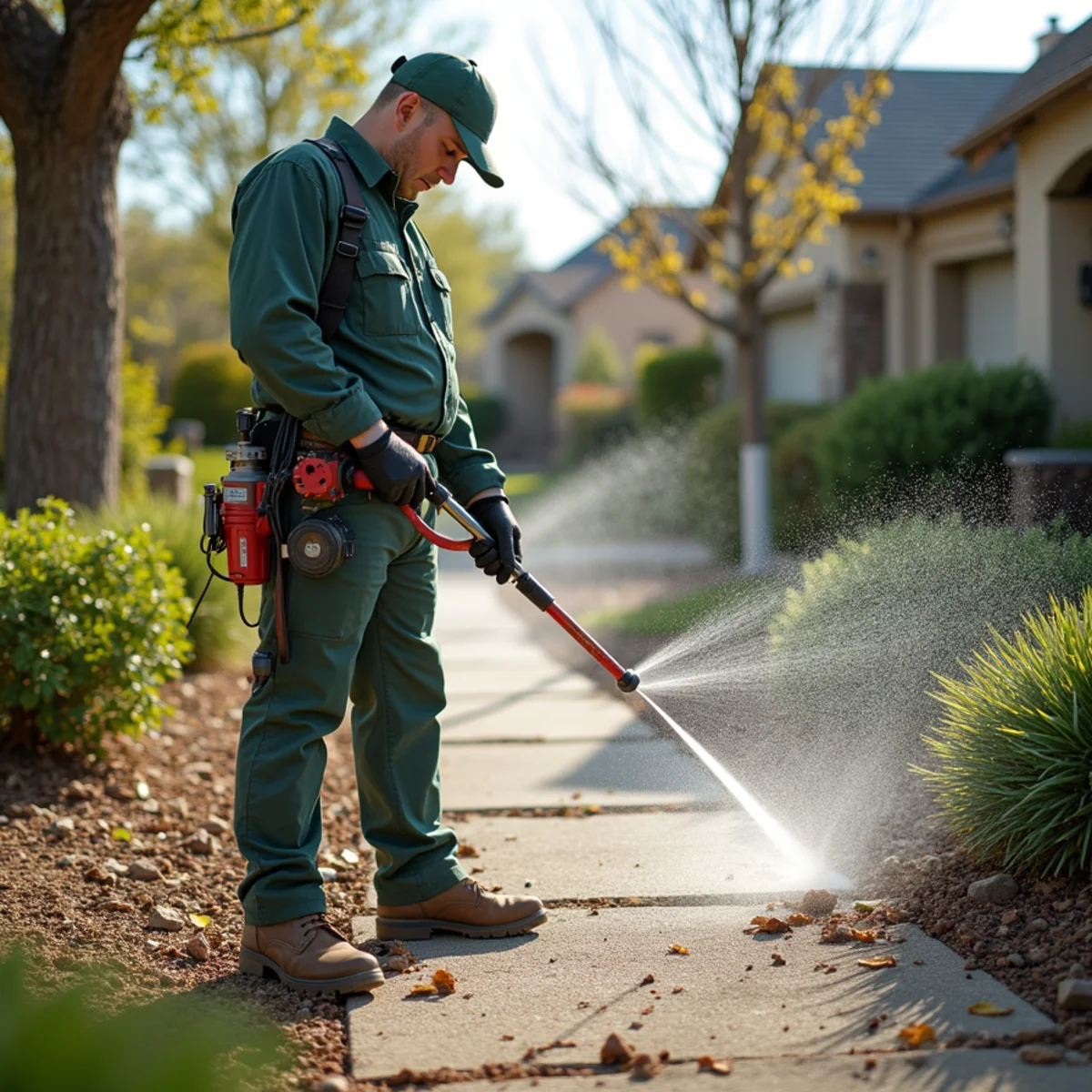
Irrigation Services planned for the actual property
A system can run on schedule and still water poorly. Tilted or buried heads may miss turf. Mismatched nozzles can apply water at different rates in the same zone. Shrubs can block spray. A line can leak below rock or soil without creating an obvious fountain. The useful first step is observation: run each zone, watch where water lands, note pressure and pattern changes, and compare that coverage with the plants and surfaces now in place.
Tree and shrub needs deserve special attention. Frequent shallow lawn cycles may not wet deeper soil effectively, while overspray against trunks and foundations creates other problems. New plantings need establishment water, but their needs change as roots develop. Hydrozoning—grouping plants with similar needs—makes schedules easier to manage and reduces the compromise of watering every plant as if it were turf.
Landscape changes often reveal irrigation conflicts. A new rock bed may still contain live spray heads. A hardscape path may cross a lateral line. Removed shrubs can leave drip emitters running with no plant to serve. Before installation, we map the affected zones and decide what should be capped, moved, converted, or preserved. Planning this early prevents finished surfaces from being opened again.
The scope should distinguish diagnosis, adjustment, repair, and installation. A controller change does not fix a broken line, and a new head does not solve poor zone design. We explain what was observed, which correction is proposed, and what remains outside the visible test. The goal is a system that supports the current landscape with understandable schedules and accessible components.