
Serving Aurora & Colorado communities since 2010
MQ Landscaping & Tree Services logo
Call for a Free Estimate — +1 (208) 635-2100
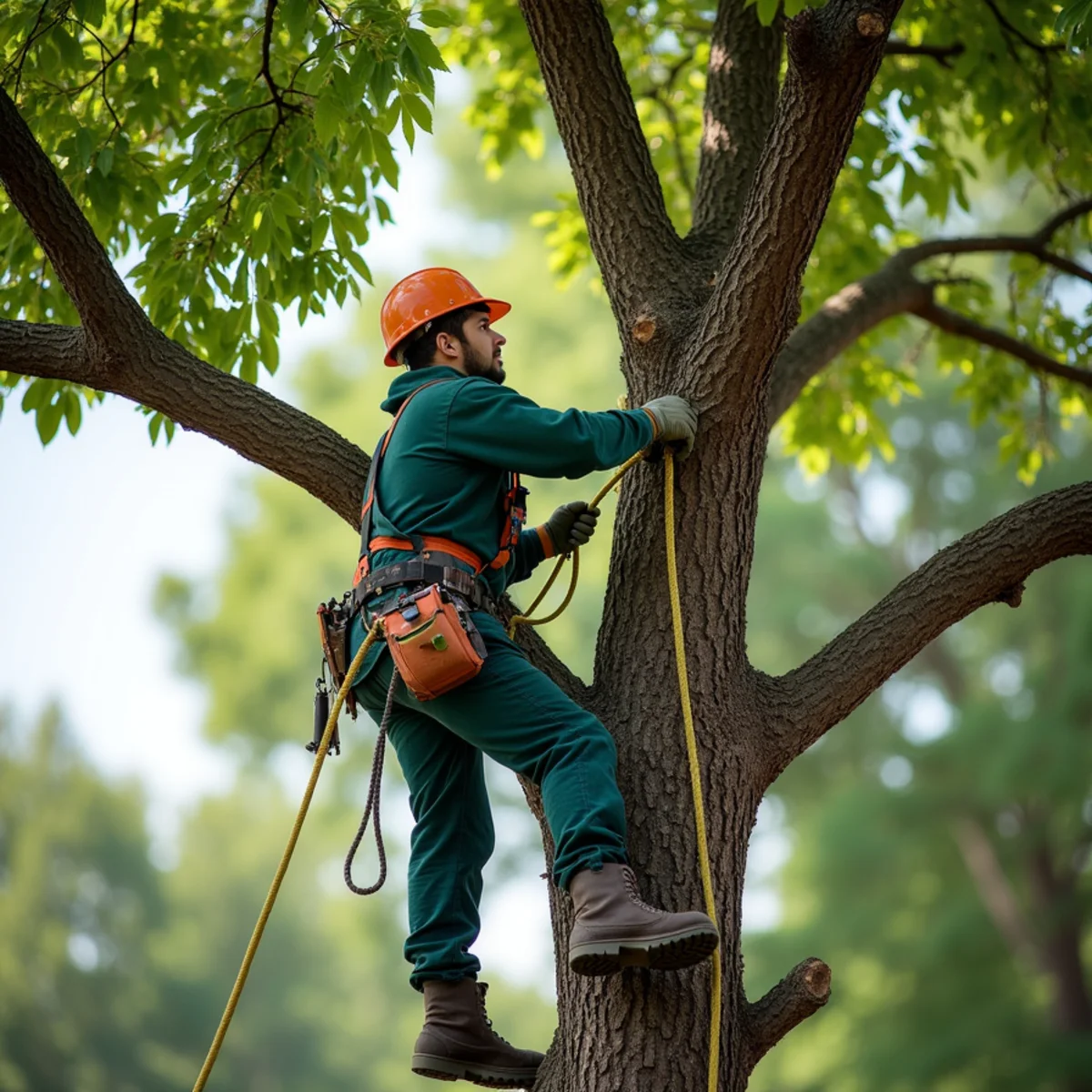
Tree care crew pruning a mature shade tree at an Aurora home

Pruning with a purpose—not random cuts.

Tree Trimming & Pruning in Aurora, CO

Good pruning solves a defined problem. It may remove dead wood, improve clearance, reduce weight on an overextended limb, or restore balance after years of uneven growth. We shape the scope around the tree’s structure and the way the property is used.

Serving since 2010 121 reviews Careful cleanup

Tree Trimming & Pruning planned for the actual property

Aurora trees live with strong sun, dry stretches, sudden temperature changes, wind, and heavy wet snow. Those conditions can expose poor branch unions and overloaded limbs. Routine pruning does not make a tree weatherproof, but it can remove known defects and improve how force moves through the canopy. The goal is not to strip the crown. It is to make selective cuts that address dead, rubbing, crowded, broken, or badly extended branches while retaining the leaf area the tree needs.

Different pruning objectives require different decisions. Clearance pruning creates appropriate space over roofs, sidewalks, driveways, and structures. Crown cleaning focuses on dead, damaged, and interfering branches. Structural pruning develops better branch spacing and can reduce competing leaders in younger trees. Reduction shortens a specific limb back to a suitable lateral branch when weight or reach has become a concern. Naming the objective makes it easier to judge whether the finished tree meets the plan.

Several supplied reviews mention tall ponderosa pines, mature ash trees, blue spruce, cottonwoods, and mixed yards with multiple trees. They also praise MQ’s eye for shape and the way the crew identified dangerous dead limbs that the property owner had not noticed. That history informs a practical approach: look beyond the most obvious branch, consider the entire canopy, and explain which cuts are needed now versus what can be monitored later.

We do not recommend topping. Removing large portions of a crown indiscriminately can create decay, sun exposure, and weakly attached regrowth. A tree that has outgrown its space may need targeted reduction, staged pruning, or—when no sound pruning option exists—removal. Honest tree care includes recognizing those limits. Our estimate describes the intended result, access needs, debris handling, and any concerns that may change the scope once work begins.
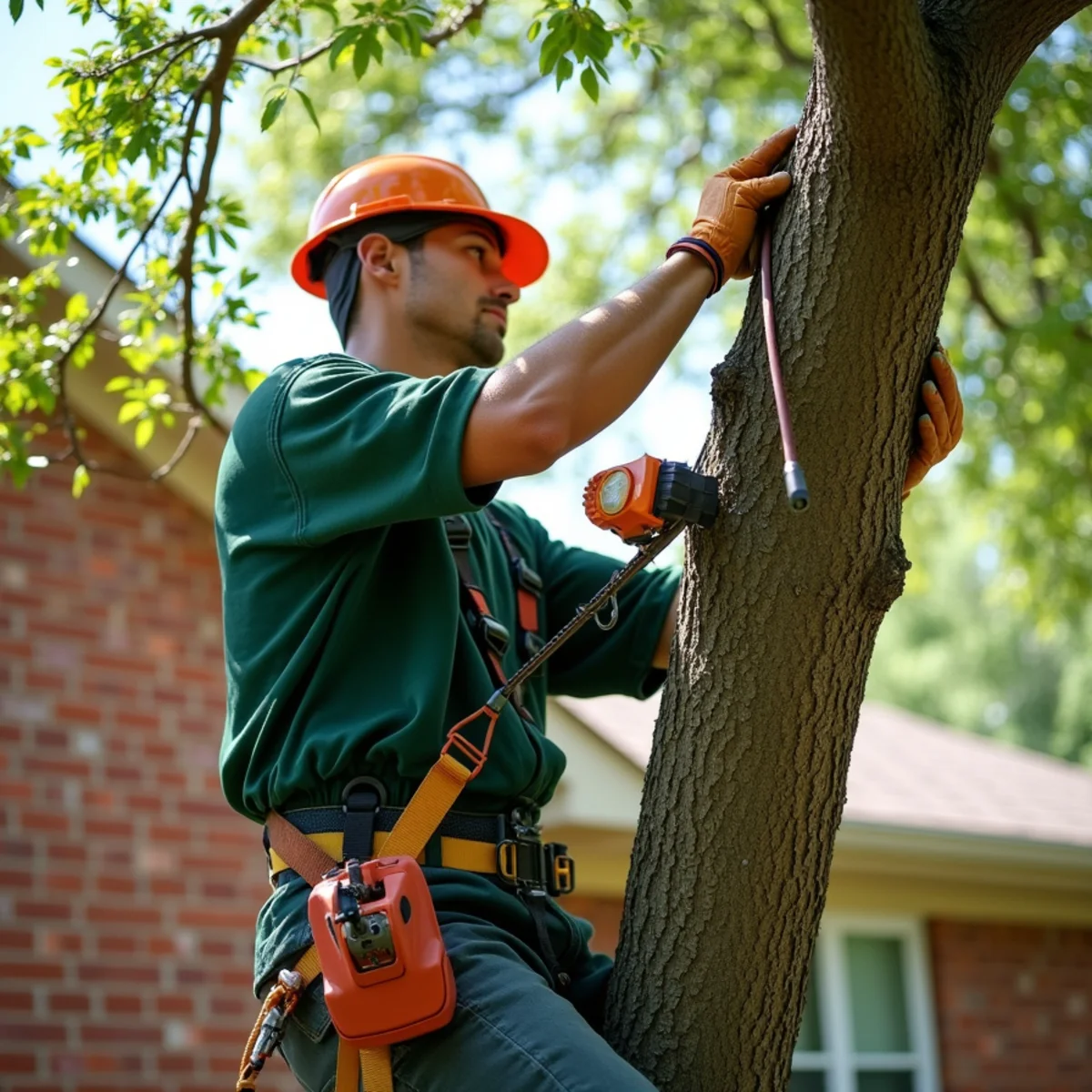
Tree Trimming & Pruning crew working at an Aurora, Colorado property

Free estimate

Tell us about your project

Share the basics and we’ll follow up about the next step.

Your information is used only to respond to your request.

What to watch

Pruning problems we commonly address

Dead and broken limbs

Dead wood and storm-damaged branches can drop without much warning and should be prioritized by size and target.

Roof and driveway clearance

Selective cuts can create needed clearance while avoiding unnecessary canopy loss.

Crowded or rubbing branches

Interference can damage bark, trap moisture, and create a dense canopy with poor structure.

Overextended limbs

Long, end-heavy branches may benefit from thoughtful reduction to a suitable lateral rather than random heading cuts.

Match the cut to the objective

Choose the pruning method by the problem it must solve

“Trim the tree” is not a complete objective. A useful plan names the concern, the part of the crown involved, the clearance or structural result needed, and the amount of live canopy that should remain.

Clean the crown

Prioritize dead, broken, damaged, rubbing, or interfering branches. Cleaning targets identifiable material instead of thinning healthy foliage without a reason.

Create clearance

Crown raising or selective reduction can create measured space over a roof, walk, driveway, sign, or sight line while retaining branches that still serve the tree.

Develop young structure

Structural pruning on younger trees can establish a more dominant trunk and better-spaced branches over multiple visits, reducing the need for large corrective cuts later.

Reduce or restore selectively

A long, end-heavy, storm-altered, or previously damaged limb may need reduction to suitable laterals. If the necessary change would be too severe for the tree, staged work or removal may be the more honest option.

Our process

How tree trimming & pruning moves from concern to completion

  1. 1

    Define the objective

    We walk the property with you and identify safety, health, clearance, and appearance priorities.

  2. 2

    Read the branch structure

    The crew evaluates unions, deadwood, prior cuts, canopy balance, and the location of buildings and utilities.

  3. 3

    Make selective cuts

    Pruning follows the agreed objectives, with attention to cut placement and the amount of live crown retained.

  4. 4

    Finish with cleanup

    Branches are processed and the work area is cleaned according to the written scope.

Honest estimates

What affects the project scope

Height and canopy density

Tall trees and dense crowns require more access planning and material handling.

Pruning objective

Deadwood removal, clearance, structural work, and reduction vary in complexity and time.

Access

Backyard gates, slopes, fences, landscaping, and street conditions influence equipment and crew movement.

Number and condition of trees

A coordinated multi-tree visit may be scoped differently from one technical mature tree.

We do not publish fake flat prices. Your estimate reflects the conditions, access, material handling, and finish described on site.

Define the finished canopy

Know what responsible pruning should leave behind

A finished tree should still look like its species, retain the live crown needed to function, and show deliberate cuts tied to the agreed objective. These details make “done” measurable before the crew starts.

Natural form retained

The result should not be a flat-topped, rounded-over, or lion-tailed silhouette. Selective pruning preserves branch taper and distributes foliage instead of concentrating it at the ends.

Cuts at sound unions

Removal cuts stay outside the branch collar; reduction cuts return an overextended limb to an appropriate lateral. Flush cuts and arbitrary stubs create avoidable wound and regrowth problems.

Live canopy protected

Mature trees generally need more restraint than young trees. When the objective would require excessive live-crown loss, the plan may need to be staged or reconsidered.

Clearance and cleanup verified

Measure the intended clearance, identify priority branches, and state how cut material will be handled so the final walk-through can confirm the written scope.

Compare written pruning specifications—not totals alone

A pruning estimate should describe the same tree, objective, limits, and cleanup result. Ask each bidder to put these points in writing so a light crown cleaning is not compared with a broad, undefined cutback.

  • The exact tree or trees and the pruning objective for each
  • The method—such as cleaning, raising, structural pruning, or reduction
  • The minimum branch size or specific limbs included in the scope
  • The clearance target and any roofs, walks, vehicles, utilities, or plantings to protect
  • Limits on live-canopy removal, cut size, and work that should be staged or excluded
  • Access, branch and debris handling, final cleanup, and owner responsibilities

Common questions

Tree Trimming & Pruning FAQs

These answers match the visible structured data on this page.

What is the best season for tree trimming in Aurora?

Dormant-season pruning is often useful because branch structure is visible and many trees are less active, but species and purpose matter. Dead, cracked, or dangerous branches should be addressed when safety requires it.

How much of a tree should be removed at once?

There is no safe universal percentage. Species, age, health, and objective all matter. The aim is to solve the stated problem while retaining enough live crown for the tree to function.

Do you top trees?

We recommend purpose-driven pruning rather than indiscriminate topping. Topping can leave large wounds and produce weak regrowth that creates future maintenance problems.

Will trimming stop every limb from breaking in a storm?

No service can make a living tree storm-proof. Pruning can address visible defects and reduce certain loads, but severe weather can still cause damage.

Can a tree be pruned near a power line?

Do not approach or prune a tree touching or close to an overhead conductor or electrical service. Keep people clear and contact the utility or emergency services as appropriate. Ordinary pruning should begin only after the electrical hazard and responsibility are resolved.

What should a written tree-pruning estimate include?

It should identify each tree, the objective and pruning method, priority branches or minimum branch size, clearance targets, limits on live-canopy removal, access, debris handling, cleanup, exclusions, and owner responsibilities.

Continue planning

Related services and practical reading

Tree service

Tree Removal

When a tree is dead, unstable, badly damaged, or simply in the wrong place, the removal plan matters as much as the final cut. We organize the work around access, nearby targets, debris handling, and the condition of the tree so the process stays deliberate from the first assessment through cleanup.

Explore tree removal

Tree service

Storm-Damage Cleanup

Wind, wet snow, and sudden Front Range weather can turn a normal tree concern into a complicated cleanup. We assess what moved, what is still under tension, what may fall next, and which parts of the tree remain viable before work starts.

Explore storm-damage cleanup

Tree service

Hazardous & Dead Trees

A tree can look alive and still carry serious defects, while a sparse canopy does not automatically mean removal. We focus on the visible structure, the likely failure points, and what would be struck if a part of the tree moved.

Explore hazardous & dead trees

Free estimate

Ready to plan your tree trimming & pruning project?

Tell us what you are seeing. We’ll review the scope, explain the next step, and prepare an estimate for the work your property actually needs.

Why property owners call MQ

  • Serving Colorado properties since 2010
  • 121 customer reviews
  • Careful work and detailed cleanup
  • Fair, scope-based estimates