
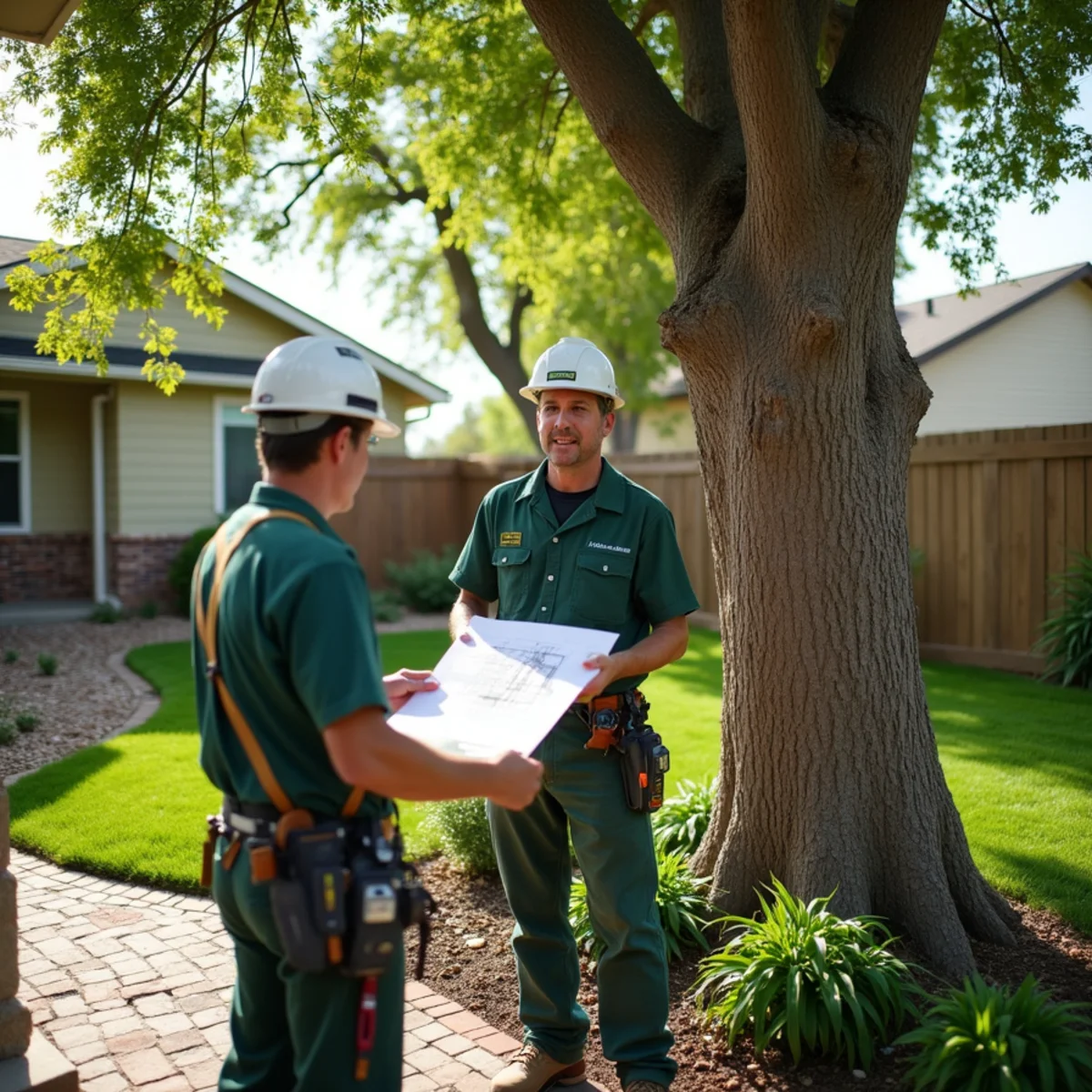
A good landscape plan is a practical answer to site conditions and household needs. It decides where people move, where water goes, what receives sun, which trees must be protected, and how much maintenance is realistic. Choosing rock colors or plant varieties before those questions are settled can produce a beautiful plan that fails in daily use.
Map the property before designing it
Mark doors, gates, utilities, downspouts, slopes, low spots, existing irrigation, large roots, and views. Observe the yard at different times of day because a sunny morning bed may be shaded by afternoon.
Also mark how the property is used: trash routes, pets, children, entertaining, equipment access, and snow storage. A path that ignores daily movement will become an expensive obstacle.
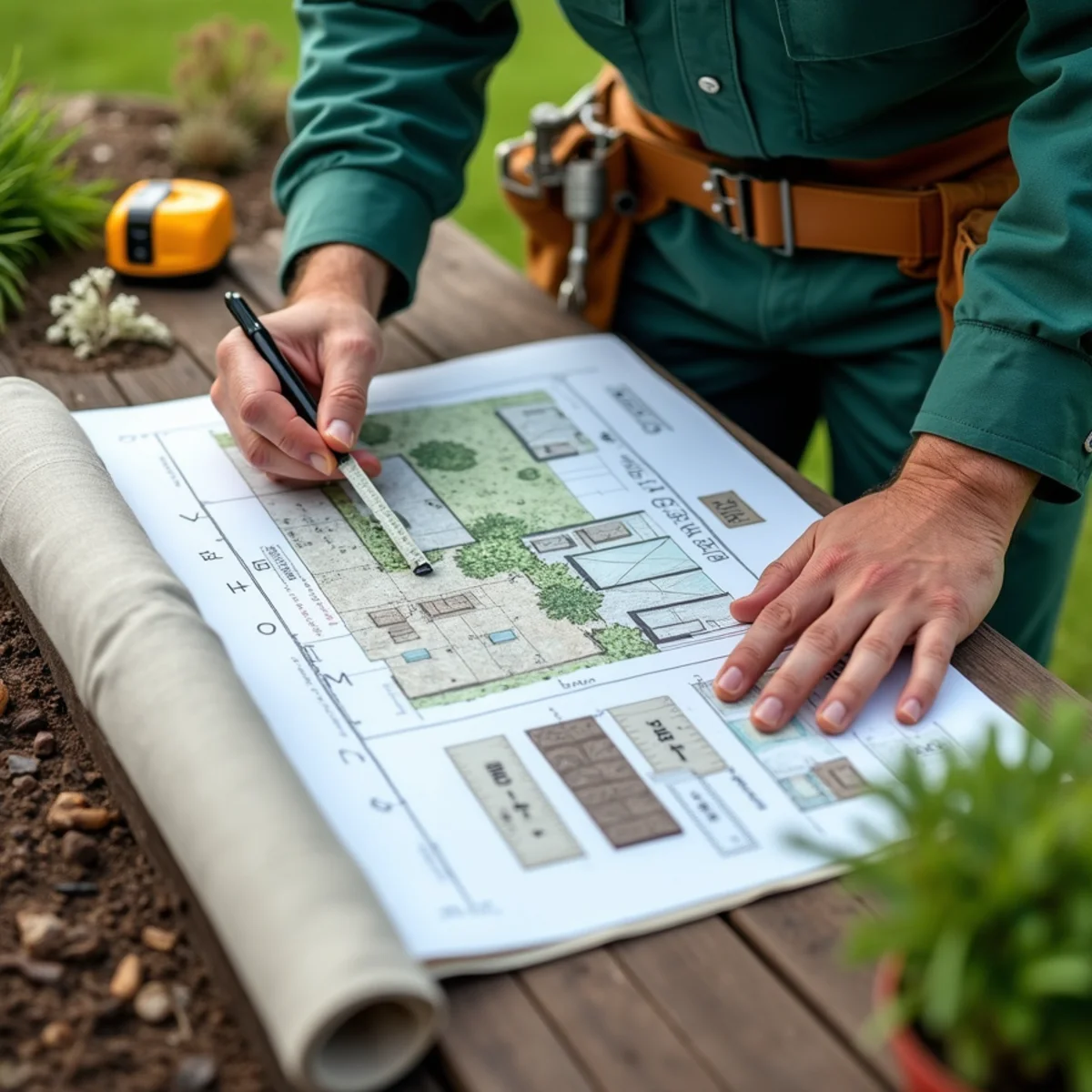
Protect valuable existing trees
Mature trees can define the landscape and reduce summer heat. Construction should not bury trunk flare, compact broad root zones unnecessarily, or cut major roots without assessment.
Adjust patios, walls, excavation, and plant beds around root reality. If a tree is declining or structurally unsound, make that decision before installing finishes beneath it.
Design water zones, not isolated plants
Group plants with compatible moisture needs. Turf, shrubs, trees, and low-water beds should not all depend on one short spray cycle. Check whether existing zones can actually serve the proposed layout.
Drainage matters too. Directing water toward a foundation, retaining feature, or poorly drained tree root zone creates problems the planting plan cannot solve.
Choose materials for maintenance and climate
Rock lasts but collects leaves and holds heat. Mulch supports beds but decomposes and needs renewal. Turf provides a usable surface but demands water and mowing. Hardscape creates durable access but needs base and drainage work.
No material is maintenance-free. Select the combination that fits the property’s exposure, tree debris, use, and the owner’s willingness to maintain it.
Phase the work in the right order
Remove hazards and failed growth first. Correct drainage and irrigation next. Complete major excavation and hardscape before delicate planting and final surfaces. This sequence keeps heavy work from damaging finished areas.
A phased plan can also protect the budget. Define the final layout early even if installation occurs over several seasons, so today’s work does not block tomorrow’s improvements.
Budget for preparation that will disappear
The most important landscape work is often invisible after completion: removing failed roots and fabric, correcting grade, locating lines, preparing base, and adjusting irrigation. These tasks compete with visible materials for budget, but skipping them can undermine the finish. Ask the proposal to separate preparation from installation so the value is clear.
If the budget cannot support the full project, reduce the footprint or phase the finish before cutting preparation. A smaller well-built bed or path is easier to expand than a large surface installed over unresolved drainage, compacted soil, or hidden debris.
Request a simple completion walkthrough before the last payment. Confirm material boundaries, irrigation operation, drainage direction, plant care, and any settling or follow-up items. That review turns the plan into a usable maintenance reference instead of leaving the owner to reverse-engineer the installation later.
Turn the wish list into a buildable Aurora brief
Begin with authority and measurable existing conditions. Confirm the property boundary, easements, HOA or registered-plan review, and whether proposed lawn or automated irrigation work triggers current Aurora Water permitting. Build a simple base map with dimensions, doors, gates, utilities, downspouts, high and low points, tree trunks and broad root zones, irrigation components, sun exposure, views, snow storage, and the routes used by people, pets, bins, and equipment.
Then assign performance requirements. State which spaces must support play, gathering, access, privacy, shade, drainage, or low maintenance. Define useful turf rather than leftover turf, group plants by compatible water needs, check mature spread against walks and utilities, and identify where heat-reflecting rock or pavement could affect plants. Aurora's high-desert guidance supports water-wise design, but low-water still requires establishment irrigation and a maintainable way to reach valves, emitters, weeds, leaves, and future repairs.
Finish with scope interfaces and acceptance criteria. Decide who handles removals, root protection, grading, irrigation changes, base preparation, hardscape, soil, plants, mulch or rock, cleanup, startup, and care instructions. Sequence underground and heavy work before delicate finishes. A completion walk should verify drainage direction, material boundaries, irrigation operation, grade at trunks and structures, access, quantities, and any settling or establishment responsibility. That brief makes phased pricing possible without letting today's work block the final plan.
Authoritative Aurora references
What to do next
Aurora landscape planning is strongest when it begins with function and ends with a maintenance plan. MQ can coordinate cleanup, shrub removal, irrigation, hardscape, installation, and tree considerations into a scope that makes sense beyond installation day.