
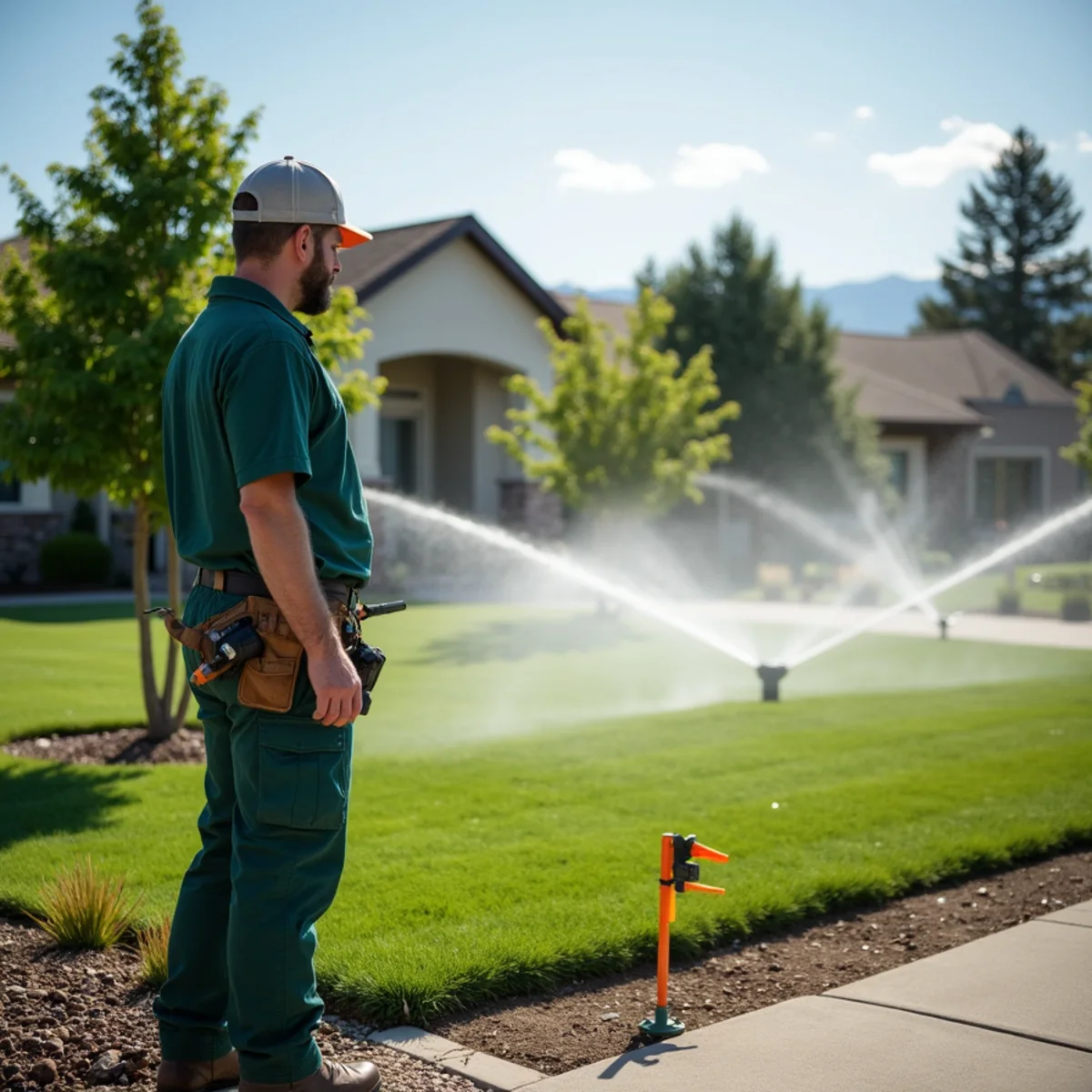
Irrigation systems change even when the controller settings do not. Heads settle, nozzles wear, shrubs grow into spray patterns, lines leak, and landscape renovations leave unused emitters running. A zone-by-zone visual check at the start of the season—and after major landscape work—can prevent dry plants, wet pavement, and hidden waste.
Run one zone at a time
Watch the full cycle rather than starting several zones and walking away. Note heads that do not rise, spray unevenly, tilt, leak at the base, or water pavement and walls.
Mark issues while the zone is running. Once water stops, buried or blocked heads can be difficult to find. A simple sketch of zones and valves becomes valuable for future repairs.

Compare coverage, not just operation
A head can pop up and still miss its intended area. Look for head-to-head coverage, blocked spray, mismatched patterns, and wind drift. Dry arcs beside wet concrete point to alignment or spacing problems.
Different nozzle types in one zone may apply water at different rates. Correct hardware and pressure matter as much as longer run times.

Look for hidden leak clues
Persistent soft soil, unusually green patches, erosion, low pressure, or a meter that moves when everything is off can suggest leakage. Valve boxes may fill with water or remain damp.
Do not excavate blindly near utilities, roots, or hardscape. Diagnosis may require isolating sections and comparing zone behavior.

Match zones to the current landscape
Removed shrubs may leave drip emitters with no purpose. New rock beds may still contain spray heads. Mature plants can block water from smaller plants behind them.
Trees, shrubs, turf, and low-water beds should not be forced into one short schedule. Adjusting zones or components may save more water than controller changes alone.

Review the controller last
Once physical operation is understood, set timing around soil, exposure, plant needs, nozzle application, and current weather restrictions. Avoid copying a neighbor’s minutes; their zones may apply water at a different rate.
Use seasonal adjustment carefully. A percentage change cannot correct a broken head, leak, or fundamentally mismatched zone.
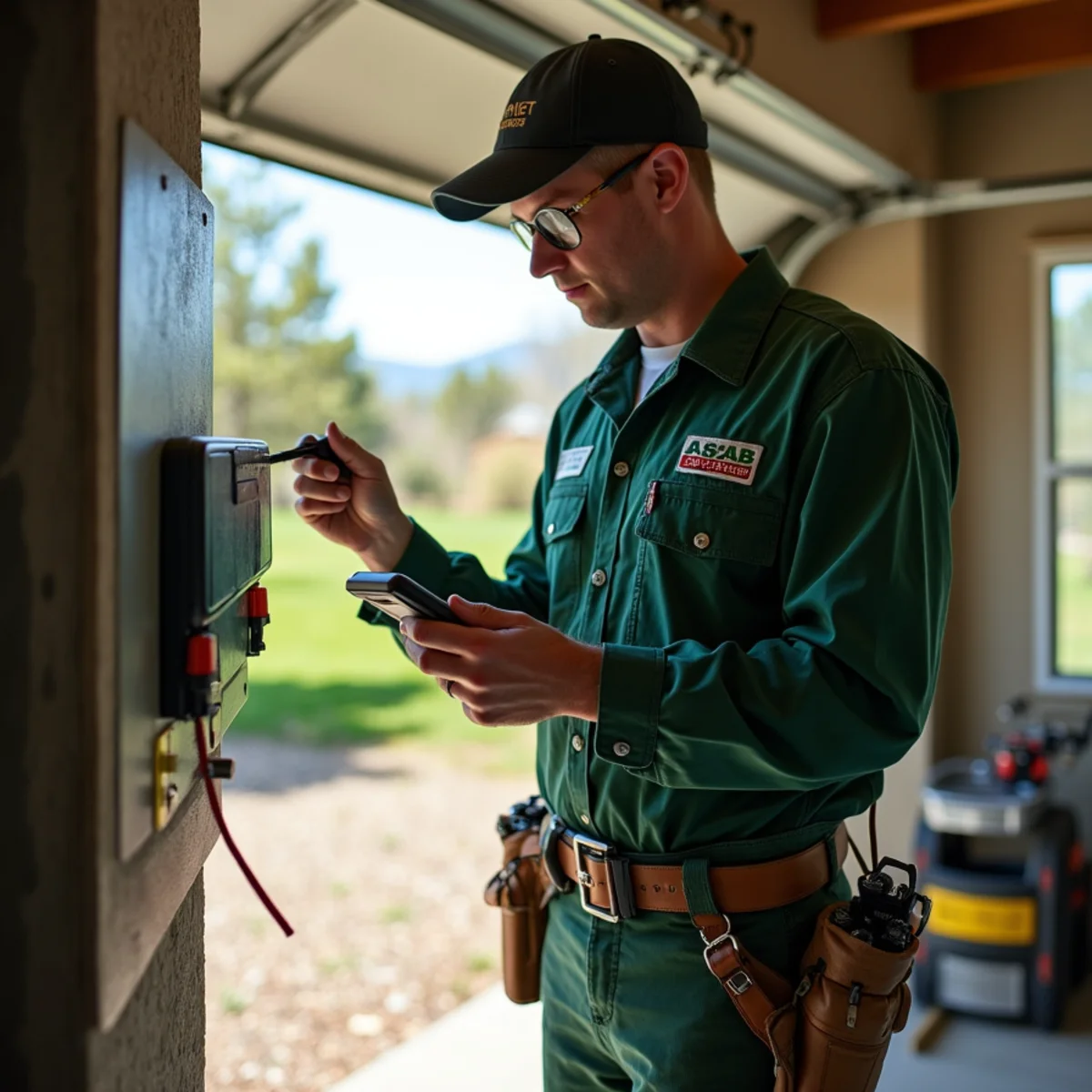
Use simple measurements to improve the diagnosis
Record how long each zone runs, which heads appear together, and where water reaches pavement or remains dry. Small catch containers placed consistently across a turf zone can reveal uneven application that is hard to judge by sight. The objective is comparison, not laboratory precision.
Check the water meter before and after known-off periods if you suspect a persistent leak, and photograph valve boxes or wet areas. Do not open electrical components or excavate near utilities without the right knowledge. Useful notes allow a service visit to begin with a narrower, evidence-based problem instead of searching the entire property from scratch.
Repeat the short inspection after mowing changes, shrub pruning, new mulch or rock, and any hardscape work. A head that worked in spring can become buried or blocked by midsummer growth. Regular observation catches small coverage problems before the owner responds by lengthening every zone and wasting water elsewhere.
Create a zone record before changing the schedule
For each zone, record its number, controller program, start time, runtime, plant type, sun exposure, head or emitter type, visible leaks, pressure symptoms, overspray, runoff start time, and dry or saturated areas. Mark repairs while the water is running. A weak zone, misting heads, a valve that will not close, and one buried nozzle can all create poor coverage, but they require different corrections.
Where lawn coverage is uncertain, place identical level containers across the zone and run it for a measured interval. Compare the collected depths to reveal distribution differences that a wet surface hides. The result does not automatically prescribe more minutes: first correct blocked, tilted, mismatched, damaged, or poorly spaced components and confirm usable pressure. If runoff begins before the soil receives the needed amount, shorter cycles with soak time may fit better than one continuous run.
Commission the system after repairs. Run every zone again, confirm that valves start and stop, check head-to-head coverage or emitter delivery, keep water off pavement and structures, verify that removed plants do not leave live outlets, and match separate hydrozones to current plant needs. Then program within Aurora's current watering rules and keep the zone record near the controller. A seasonal percentage adjustment can fine-tune a working system; it cannot repair a leak, redesign a mixed zone, or diagnose continuous flow by itself.
Authoritative Aurora references
What to do next
An irrigation audit is a field inspection, not a controller ritual. Run zones, watch patterns, look for leaks, compare coverage with the current landscape, then set timing. MQ can help with irrigation corrections and landscape coordination in Aurora.