
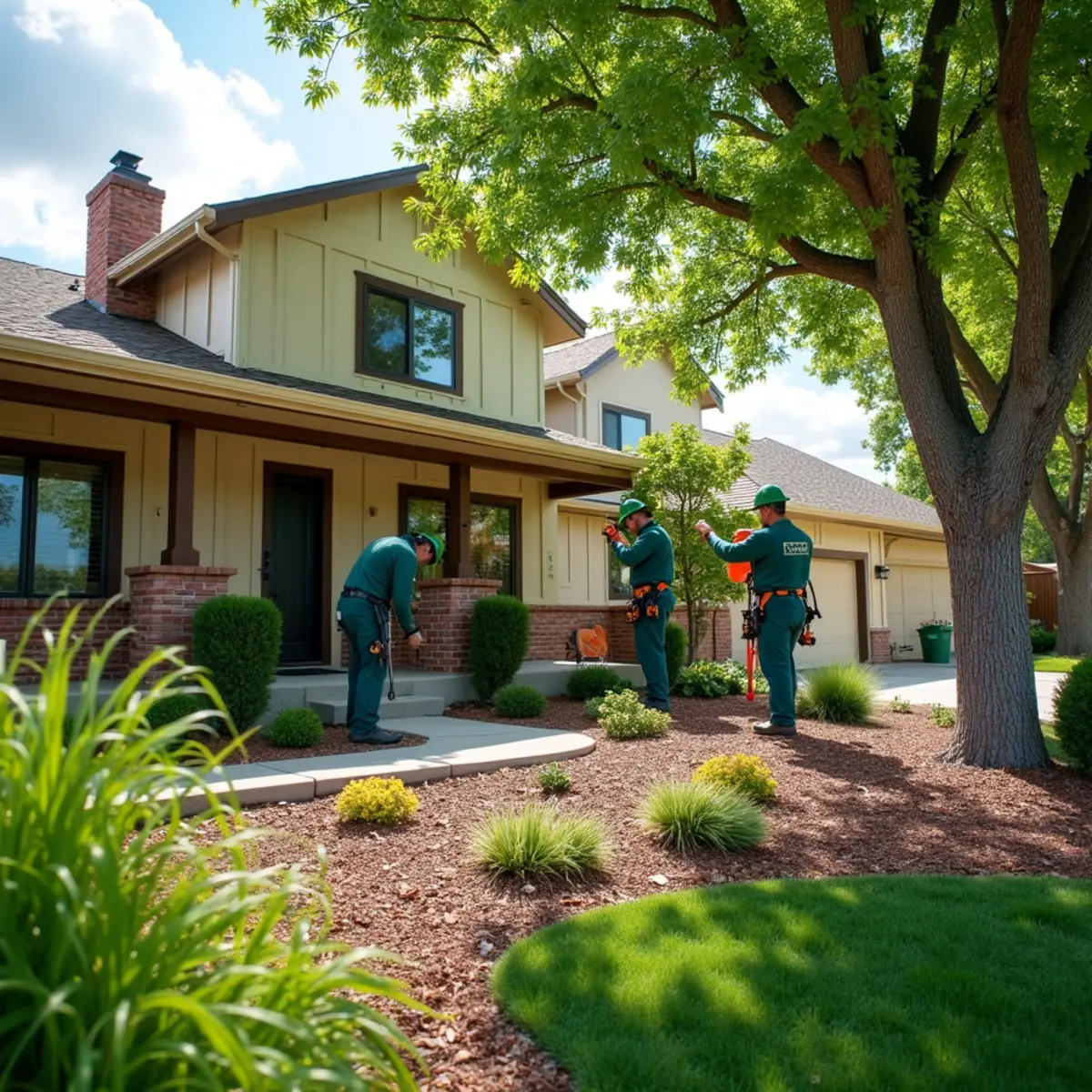
Low-water landscaping can reduce unnecessary irrigation and simplify maintenance, but replacing lawn with rock is not a complete plan. Aurora’s sun, wind, winter exposure, compacted soils, mature-tree roots, and existing irrigation all shape what will work. The goal is to direct water where it produces value while keeping the property useful and visually organized.
Begin with hydrozones
Group plants by similar water needs and exposure. A shaded north bed, a sunny south slope, established trees, and a small turf play area should not all share the same schedule.
Hydrozones make irrigation easier to understand. They also reveal where an existing system needs conversion, capping, drip, or separate coverage before new plants are installed.
Reduce turf where it provides little value
Small strips beside drives, steep slopes, and shaded patches often consume effort without offering useful space. Removing those areas can make mowing easier and create clearer beds.
Keep turf where it serves a purpose—play, gathering, cooling, or visual relief. A low-water plan can include some lawn rather than treating reduction as an all-or-nothing decision.
Use rock and mulch intentionally
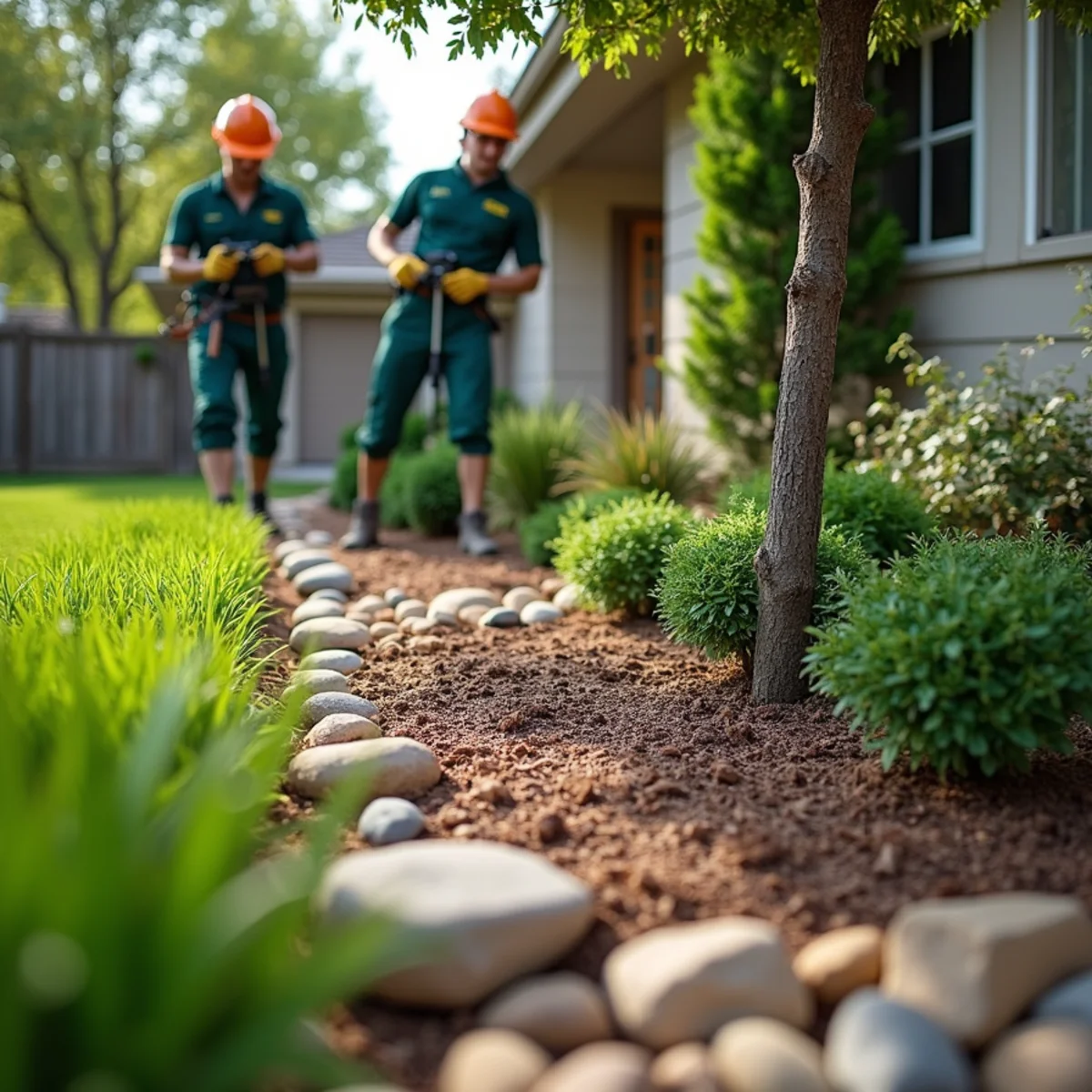
Rock works well in certain open, non-planted zones and does not require regular replacement. It can also heat soil, collect leaf debris, and migrate without good edging.
Organic mulch moderates soil and supports many plant beds, but it decomposes. Keep either material away from tree trunks and avoid changing grade over major roots.
Choose plants by mature size
Drought-tolerant does not mean small or maintenance-free. Check mature width, height, winter form, sunlight, and water needs. Overcrowding creates future pruning and irrigation conflicts.
New low-water plants still need establishment care. Water should gradually encourage roots beyond the nursery ball, then adjust as the plants mature.
Plan for weeds, debris, and long-term care
Landscape fabric does not permanently stop weeds, especially as dust and organic matter collect above it. Tree leaves and seeds can make rock beds demanding in autumn.
Define a realistic routine for weed control, pruning, irrigation checks, and surface renewal. The most sustainable design is one the owner can actually maintain.
Measure success through the full season
A low-water landscape should be evaluated beyond the installation photo. Watch summer heat, winter exposure, irrigation coverage, weed pressure, leaf cleanup, and how people move through the space. Plants that survive but constantly block paths or require repeated shearing are not truly low maintenance.
Keep a simple first-year record of irrigation changes, plant losses, settling, and problem areas. Small adjustments during establishment can protect the investment. The record also helps distinguish design issues from an unusual storm, a failed component, or a one-time dry period.
Plan one seasonal cleanup before deciding the design has eliminated maintenance. Windblown leaves, tree seeds, weeds, and sediment behave differently in rock, mulch, and planted zones. Seeing the first full cycle reveals where edging, access, plant spacing, or irrigation should be adjusted for easier long-term care. Photograph the same beds in spring, midsummer, and after leaf drop so the maintenance plan reflects the full Aurora season.
Plan the conversion around current Aurora requirements and first-year care
Before removing turf, verify current Aurora Water restrictions, lawn or irrigation permit needs, GRIP timing and preapproval rules, and any HOA review. Program dates and drought conditions can change, rebates are not retroactive, and eligibility belongs to Aurora Water—not the installer. Record the approved project boundary, existing turf condition, irrigation zones, trees, drainage, utilities, and any assets that should remain before demolition makes those facts harder to prove.
Convert the water system with the landscape, not after it. Cap, move, or change components only after hydrozones and mature plant sizes are known. Run every retained or revised zone, check pressure and coverage, label valves, and keep tree watering separate from assumptions about new low-water beds. Drought-tolerant plants still need establishment water; the proposal should state startup, controller responsibility, emitter checks, and who adjusts watering as roots expand.
Define completion beyond installed square footage. Confirm plant names and counts, mature spacing, mulch or rock depth/boundaries, exposed fabric or edging, erosion control, drainage, irrigation operation, cleanup, and first-year care. Then review the yard after heat, wind, winter, and leaf drop. Useful water savings should coexist with plant survival, safe access, manageable weeds/debris, and a design that still serves the property—not merely a lawn replaced by a hot field of rock.
Authoritative Aurora references
What to do next
Low-water design is a system: useful turf, compatible plant zones, efficient irrigation, appropriate surfaces, and ongoing care. MQ can help clear the old layout and install a practical Aurora landscape without losing sight of existing trees and daily use.