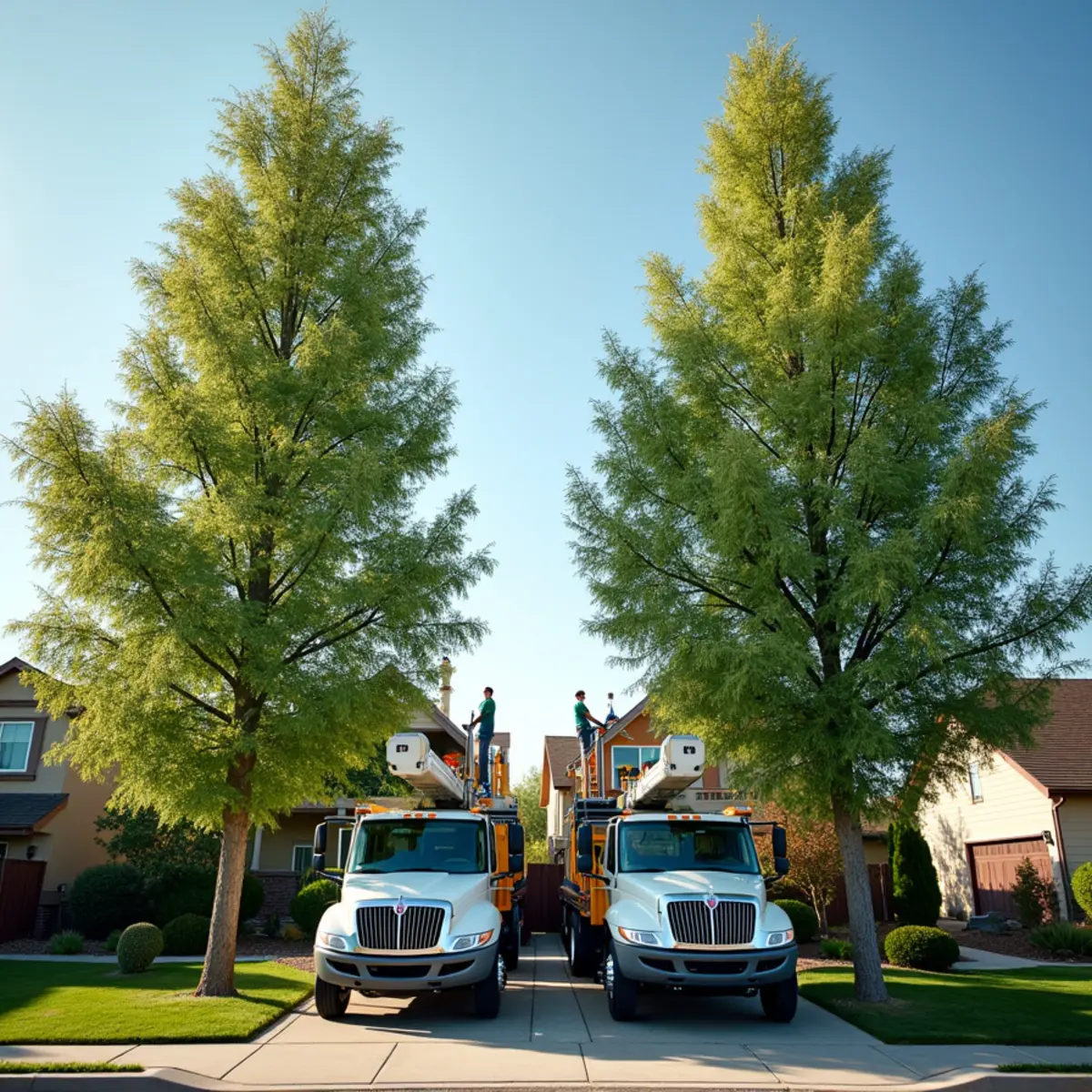
Tree topping removes large branches at arbitrary points, often leaving stubs and a drastically reduced crown. It can look like an inexpensive way to control height, but the biological and structural response creates repeated maintenance. Proper pruning begins with an objective and places cuts at natural branch relationships so the tree can respond more effectively.
What topping does to the canopy
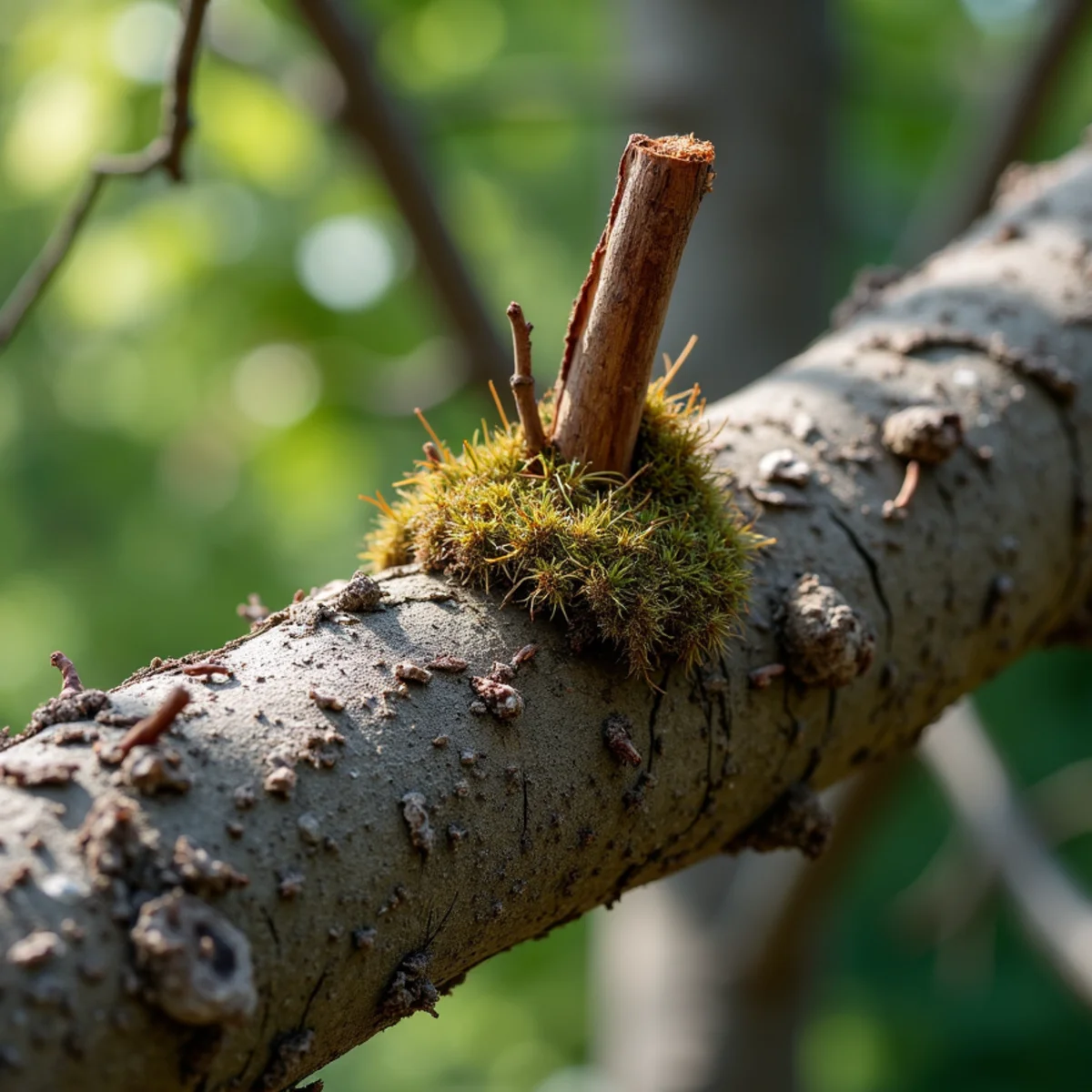
Removing a large share of leaf area disrupts the tree’s energy system. Exposed branches and trunk may receive sun they were not developed to tolerate. Large stubs create extensive wound surfaces that the tree cannot quickly close.
The tree often responds with vigorous shoots near the cuts. Fast growth may restore a leafy appearance, but those shoots begin from shallow attachments around damaged tissue.
Why weak regrowth becomes a future risk
Topping sprouts can grow several feet quickly and become end-heavy. As they gain diameter and wind exposure, their weak attachment becomes more consequential. Owners may then top the regrowth again, repeating the cycle.
Decay can move inward from the original cuts while the new crown grows outward. A tree that seemed temporarily controlled may require more frequent and more difficult work.
How reduction pruning differs
Reduction shortens a branch or leader back to a suitable lateral branch that can assume the role of the removed portion. The cut location follows the tree’s architecture rather than an arbitrary height line.
Reduction is selective. It may address one overextended limb, clearance conflict, or part of a storm-damaged crown. It is not a guarantee that every tree can be reduced to any desired size.
Other proper pruning objectives
Crown cleaning removes dead, broken, rubbing, or diseased material. Structural pruning develops better spacing and attachments, especially in young trees. Clearance pruning creates space around roofs, walks, roads, and structures.
Naming the objective prevents vague instructions such as “thin it out” from turning into unnecessary interior stripping. The finished tree should still have a functional, distributed crown.
When the tree has truly outgrown the site
Some trees were planted too close to buildings or utilities, or their mature size was never compatible with the yard. Repeated heavy pruning may not create a healthy permanent solution.
In those cases, removal and replacement with an appropriately sized species can be more honest than decades of topping. The decision should compare preservation value, defects, targets, maintenance burden, and replacement options.
Ask the estimator to name the cut type
A proposal does not need technical jargon everywhere, but it should distinguish deadwood, clearance, structural work, and reduction. If the intended cut stops a large limb at an arbitrary point with no suitable lateral branch, ask what the tree is expected to do afterward. The answer should address regrowth and future maintenance, not only the immediate silhouette.
Photographs or marked site notes can make the scope clearer. When both owner and crew can identify the limb and objective, the finished result is less likely to depend on an ambiguous instruction such as take a lot off the top.
Test the pruning proposal before a saw reaches the crown
Ask four questions. What measurable problem is being solved? Which branches or clearance conflicts are in scope? Will each cut return to a branch origin or a lateral capable of assuming the terminal role? How much live crown will remain? A proposal that promises only a lower, rounder, or thinner tree without naming cut type and retained structure leaves the most important decisions to the work zone.
Proper reduction does not create a flat line across the canopy. Selected branches end at suitable unions, so the finished outline remains irregular and tree-like. CSU distinguishes reduction cuts from heading cuts partly by the retained lateral: when it is too small for the parent being removed, vigorous and poorly attached shoots are more likely. Large reduction wounds also carry decay consequences, especially on stressed or declining mature trees, so less height is not automatically a responsible objective.
For a previously topped tree, define restoration honestly. Some sprouts may be selected and subordinated over multiple cycles while others are removed; one aggressive revisit can repeat the original live-crown loss. Where decay, attachment quality, targets, required clearance, or site mismatch makes restoration unrealistic, removal and replacement may be the clearer long-term option. The scope should state which path is intended, what can be achieved this visit, and what future work remains.
Authoritative Aurora references
What to do next
If a proposal recommends removing the top without explaining branch selection, cut points, and future response, ask more questions. MQ’s pruning scopes focus on the problem being solved and the structure that should remain—not a quick flat line across the canopy.